


9 Best Work Hours Tracker Apps to Boost Productivity
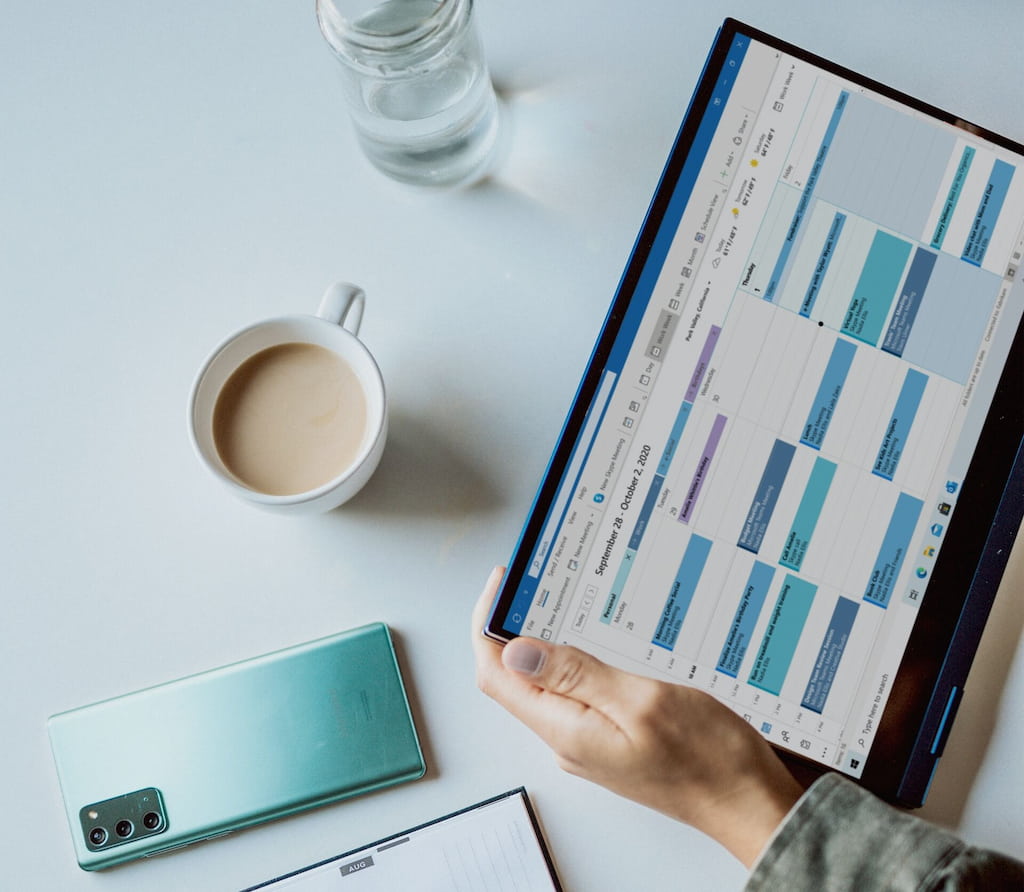
Work hours tracker apps help employees, freelancers, and businesses record the time they spend working. Depending on the app, you can track hours manually with a timer or timesheet, automatically record computer activity, assign hours to projects and clients, and generate reports for payroll, billing, or productivity analysis.
We compared nine work hours tracker apps based on time-tracking methods, project and task tracking, reporting, integrations, pricing, and suitability for different types of users. Below, you’ll find the best option for freelancers, teams, remote employees, project-based businesses, and anyone looking for a free work hours tracker.
How We Evaluated These Apps
We evaluated each app based on tracking method, project and task tracking depth, reporting capabilities, integrations, pricing, and suitability for different types of users. Pricing was verified directly on each vendor’s website as of July 2026. We also reviewed user feedback on G2 and Capterra to make sure our assessments reflect real-world experience.
Disclosure: Everhour is our product and appears first on this list. We’ve aimed to give every other app here an honest writeup including real limitations. If Everhour isn’t the right fit for your workflow, the alternatives below cover a wide range of work hours tracking needs.
What Is a Work Hours Tracker App?
A work hours tracker app records the amount of time you spend working and organizes those hours into timesheets, projects, tasks, or clients. Depending on the software, a work hours tracker may track:
- Hours worked — records the total time spent working.
- Start and end times — shows when a workday or shift begins and ends.
- Breaks and overtime — helps track paid or unpaid breaks and hours beyond a regular schedule.
- Tasks and projects — connects working hours to specific tasks, projects, or activities.
- Clients — records time spent on different clients or accounts.
- Billable and non-billable hours — separates client work from internal or administrative time.
- App and website activity — shows which applications or websites are used during work, depending on the tool.
- Idle time — identifies periods with little or no computer activity.
- Attendance — records employee attendance and absences.
- GPS and location — some tools track employee locations or use geofencing, particularly for field teams.
- Work schedules — helps teams plan shifts and compare scheduled hours with actual hours worked.
- Productivity and utilization — provides reports on how time is allocated across projects, clients, or activities.
Not every work hours tracker includes all of these features. A freelancer may only need a timer and project-based timesheets, while an employer tracking hourly workers may need attendance, scheduling, overtime, or GPS features. Depending on the software, tracking can be manual, automatic, or based on employee activity. Most work hours tracker apps fall into three categories:
| Type | How it tracks work hours | Best for |
|---|---|---|
| Manual time tracking | Timers and timesheets | Freelancers, consultants, project teams |
| Automatic time tracking | Records computer activity and categorizes time | Knowledge workers and people who switch between tasks |
| Employee time tracking | Tracks hours, attendance, and sometimes location or activity | Remote, field, and hourly teams |
Comparison Table
| App | Best for | Tracking method | Project tracking | Employee monitoring | Free plan |
|---|---|---|---|---|---|
| Everhour | Project-based teams | Manual + timer | ✅ | ❌ | ✅ |
| Jibble | Attendance and hourly teams | Timer + attendance | ✅ | ✅ | ✅ |
| HourStack | Visual time planning | Manual + timer | ✅ | ❌ | Trial |
| Timely | Automatic tracking | Automatic | ✅ | ❌ | Trial |
| Memtime | Automatic desktop tracking | Automatic | ✅ | ❌ | ❌ |
| TrackingTime | Freelancers and SMBs | Manual + automatic | ✅ | Limited | ✅ |
| RescueTime | Personal productivity | Automatic | Limited | ❌ | Limited |
| Hubstaff | Remote and field teams | Timer + automatic | ✅ | ✅ | Limited |
| DeskTime | Employee productivity | Automatic + manual | ✅ | ✅ | Trial |
Top 9 Work Hours Tracker Apps to Maximize Your Productivity
Everhour
Best for: Project-based teams, agencies, and businesses that work in project management tools
Tracking approach: Manual and timer-based, with task- and project-level tracking
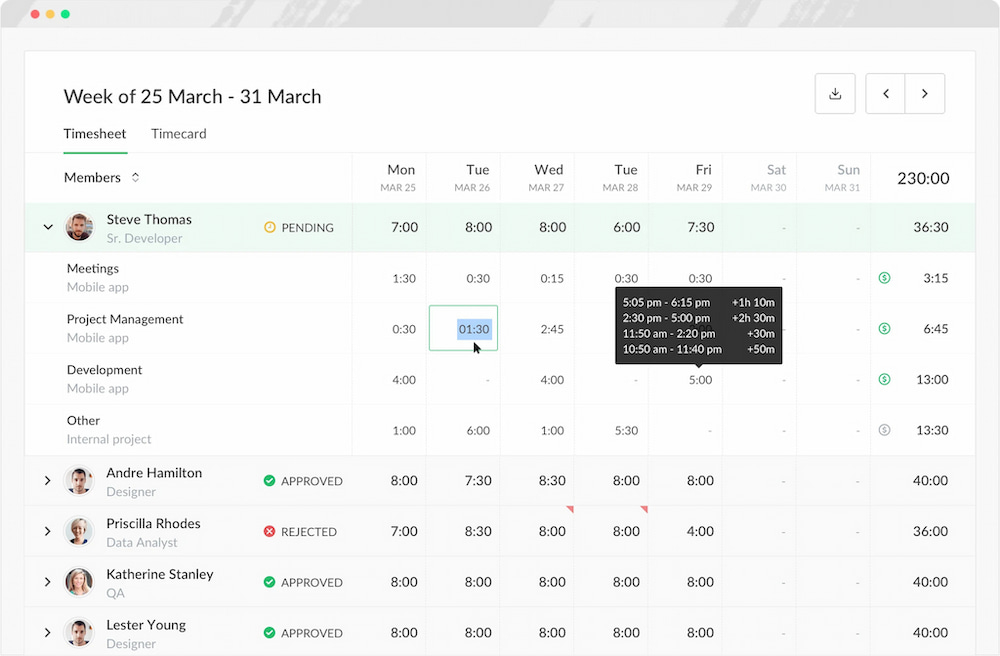
Everhour is a work hours tracker designed for teams that want to track time directly inside their existing project management workflow. It integrates with tools such as Asana, ClickUp, Trello, Jira, GitHub, and Notion, so employees can record time against the tasks they are already working on.
Key features
- Track time manually or with a time tracker
- Track billable and non-billable hours
- Set project budgets and estimates
- Track time by task, project, client, or team member
- Create timesheets and customizable reports
- Monitor workload and project progress
- Generate invoices from tracked time
- Integrate with popular project management tools
Limitations
Businesses that need screenshots, keystroke tracking, GPS monitoring, or detailed employee computer activity.
Pricing
Free plan available. Team plan starts at $8.50/user/month when billed annually, with a five-user minimum.
Jibble
Best for: Employee attendance, hourly workers, and teams that need location or attendance verification
Tracking approach: Clock-in/out, timers, timesheets, and attendance tracking
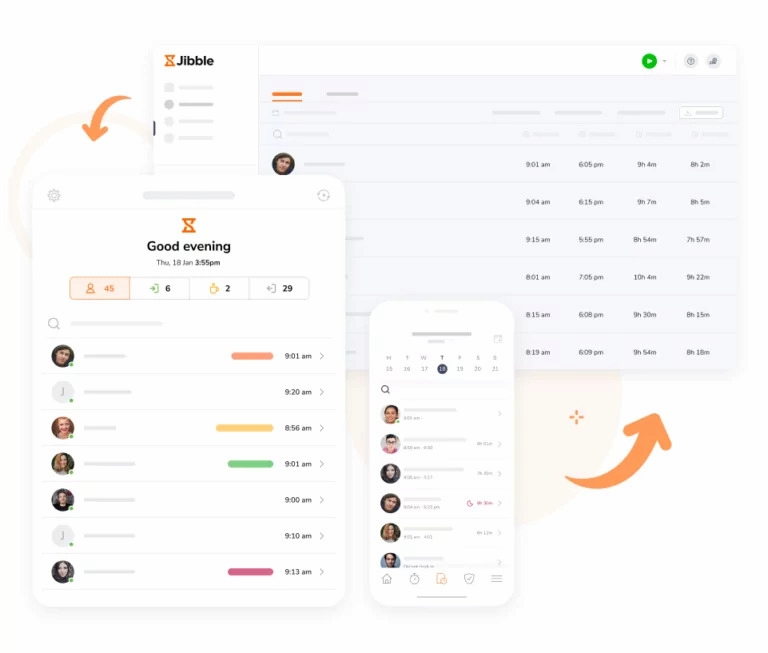
Jibble is an employee time tracking and attendance platform designed for businesses that need to record when employees work. In addition to tracking hours, it supports attendance management, GPS tracking, geofencing, and facial recognition, making it particularly suited to hourly, remote, and field-based teams.
Key features
- Track clock-in and clock-out times
- Record breaks, overtime, and attendance
- Track employee locations with GPS and geofencing
- Use facial recognition to verify employee attendance
- Track time against projects and activities
- Generate timesheets and attendance reports
- Integrate with tools such as Slack and Microsoft Teams
Limitations
Jibble is more focused on employee attendance and workforce management than project-based time tracking or detailed project budgeting.
Pricing
Jibble offers a free plan for time tracking and attendance. Paid plans start at $2.49 per user per month, with higher-tier plans adding more advanced features.
HourStack
Best for: Freelancers and teams that want visual time planning alongside time tracking
Tracking approach: Manual timers and calendar-based time tracking
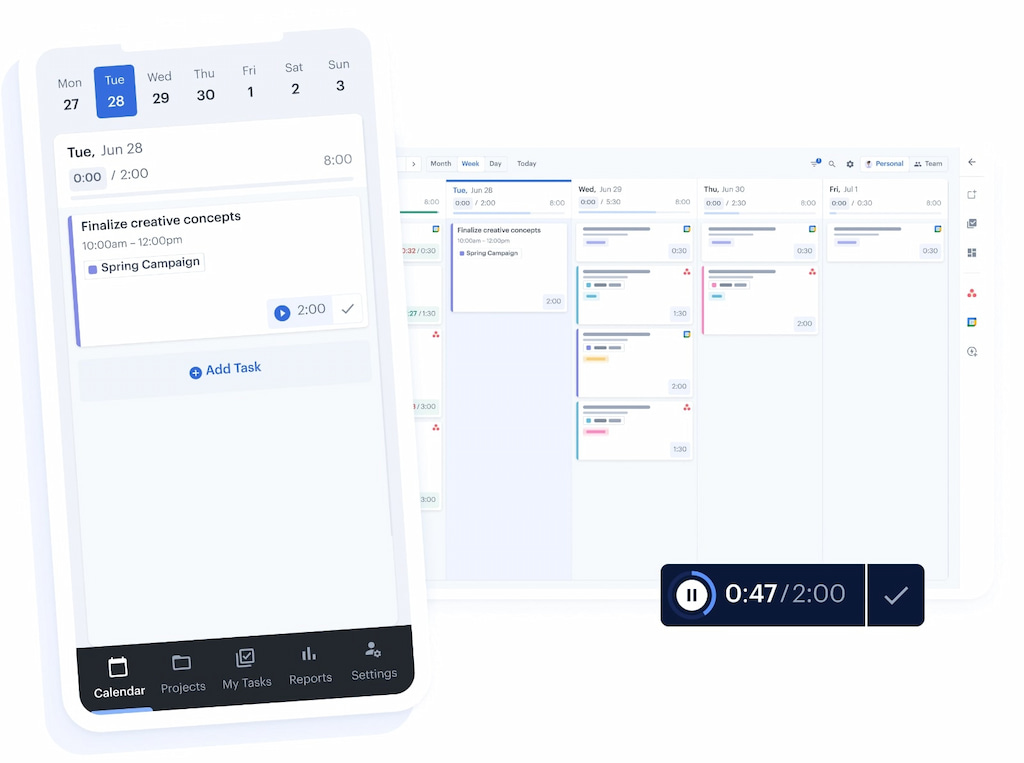
HourStack combines time tracking with visual work planning. Its calendar-style interface lets users schedule tasks, allocate time, and compare planned hours with actual time spent, making it useful for people who want to manage their workload as well as record it.
Key features
- Track time with timers and timesheets
- Plan work using a visual calendar
- Compare planned and actual time
- Organize work by projects and tasks
- Integrate with tools such as Asana, Todoist, and Google Calendar
- View time and workload across projects
Limitations
HourStack focuses on time planning rather than employee monitoring, attendance, or automatic computer activity tracking.
Pricing
HourStack offers a free plan with limited features. Paid plans start at $12 per user per month for the Personal plan.
Timely
Best for: Teams and individuals who want automatic time tracking
Tracking approach: Automatic tracking of computer activity
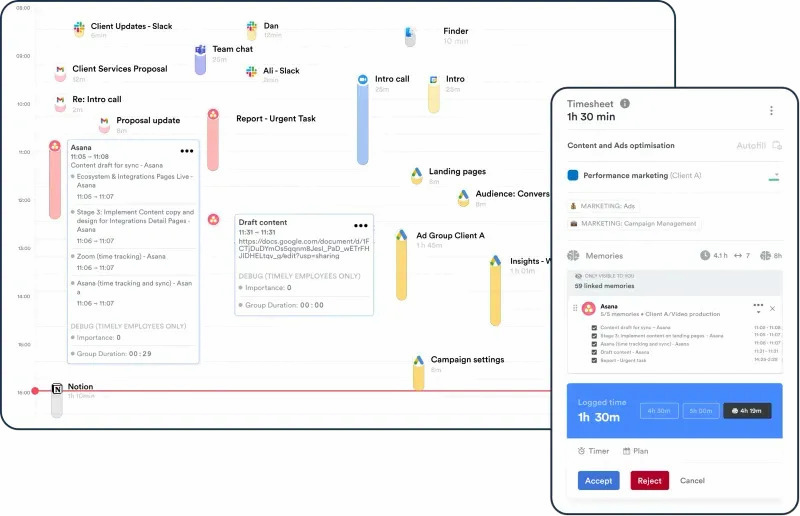
Timely automatically records time spent using applications, websites, documents, and other work activities, then organizes that activity into a timeline. This reduces the need to start and stop timers manually and can help users reconstruct their workday and capture billable time.
Key features
- Automatically record computer activity
- Organize tracked activity into timelines
- Assign tracked time to projects and tasks
- Track billable hours
- Create timesheets and reports
- Integrate with project management and business tools
Limitations
Timely is designed around automatic activity tracking rather than employee attendance or location tracking.
Pricing
Timely’s paid plans start at $9 per user per month when billed annually. Higher tiers add more users, projects, and advanced features.
Memtime
Best for: Freelancers and professionals who need automatic desktop time tracking
Tracking approach: Automatic tracking of applications, websites, files, and other computer activity
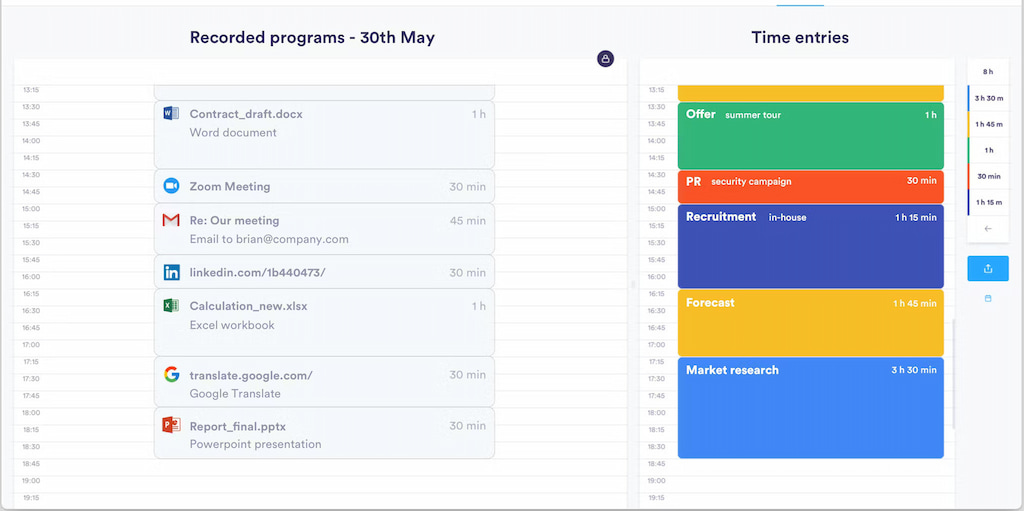
Memtime automatically records activity on a computer and displays it as a chronological timeline. Instead of relying on manual timers, users can review their activity and assign recorded time to projects or clients afterward.
Key features
- Automatically track activity across applications and websites
- Record activity from files, browser tabs, and other desktop activity
- Review work in a chronological timeline
- Assign tracked time to projects and clients
- Track billable hours
- Integrate with other time tracking, project management, and business tools
Limitations
Memtime focuses on automatic desktop activity tracking and doesn’t provide employee attendance, GPS, or workforce monitoring features.
Pricing
Memtime offers several paid plans, starting at approximately £12 per user per month. An Enterprise plan is also available.
TrackingTime
Best for: Freelancers, small businesses, and teams that need time tracking with project management
Tracking approach: Manual timers, timesheets, and automatic tracking
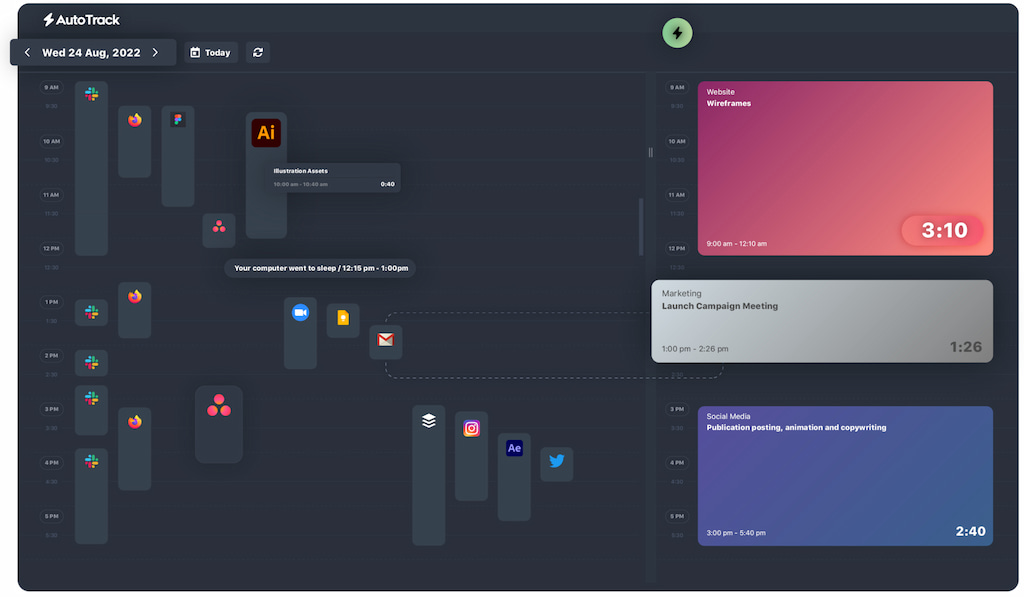
TrackingTime combines work hours tracking with task and project management. Users can record time against projects and tasks, manage schedules, and generate reports, making it suitable for freelancers and small teams that want more than a basic timer.
Key features
- Track time with timers or timesheets
- Track hours by project, task, and client
- Automatically track time
- Detect idle time
- Manage projects and tasks
- Create timesheets and reports
- Track billable hours
- Integrate with popular workplace tools
Limitations
TrackingTime offers fewer employee monitoring and workforce management features than tools such as Jibble, Hubstaff, or DeskTime.
Pricing
TrackingTime offers a free plan for up to three users. Paid plans start at $5.75 per user per month, with additional features available on higher-tier plans.
RescueTime
Best for: Individuals and teams focused on personal productivity and automatic activity tracking
Tracking approach: Automatic tracking of applications, websites, and computer activity
RescueTime automatically records how users spend time across their computers and other devices, then categorizes activities to show how much time is spent on work, meetings, communication, and distractions. It also offers Focus Sessions that help users block distracting websites and applications.
![11+ timesheet apps for any need [updated for 2021]](https://everhour.com/blog/wp-content/uploads/2021/07/rescuetime-app-1024x625.png)
Key features
- Automatically track applications and websites
- Categorize activities by productivity level
- Track time across devices
- Record offline activities
- Generate productivity and time reports
- Use Focus Sessions to block distracting websites and apps
Limitations
RescueTime is primarily focused on personal productivity rather than project-based billing, employee attendance, or workforce management.
Pricing
RescueTime offers a limited free version. Its paid plan costs $12 per month or $78 per year, with a two-week free trial.
Hubstaff
Best for: Remote, field, and distributed teams that need employee monitoring alongside time tracking
Tracking approach: Timers, timesheets, and automatic activity tracking
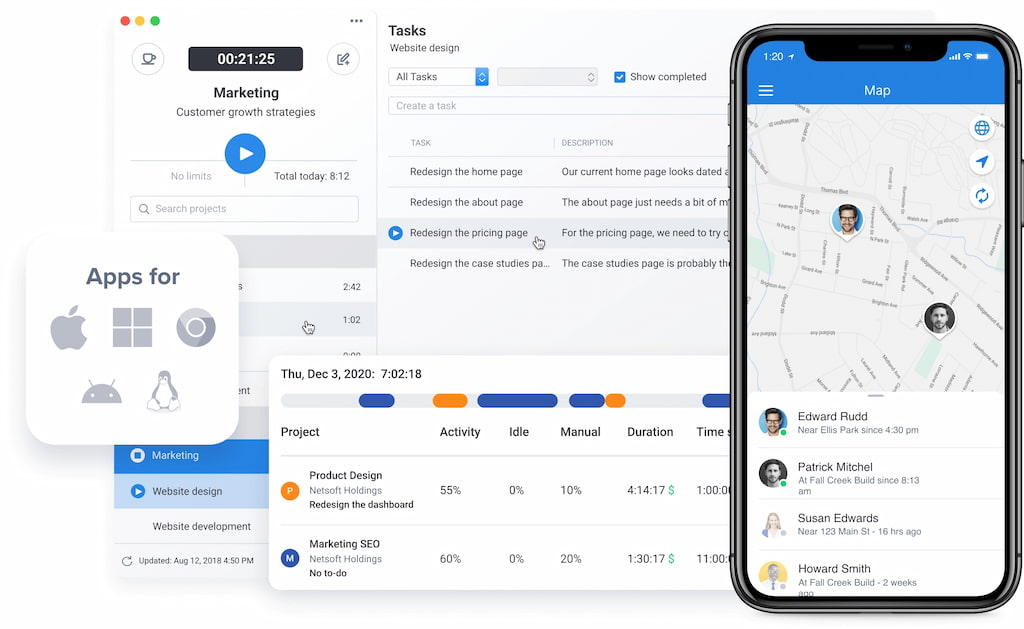
Hubstaff combines work hours tracking with employee monitoring, project management, and workforce features. In addition to recording hours against projects and clients, it can track activity, locations, and work performed by remote and field employees.
Key features
- Track time with timers and automatic timesheets
- Track hours by project, task, client, or work order
- Monitor employee activity
- Track employee locations with GPS and geofencing
- Set overtime alerts and reminders
- Create reports and timesheets
- Track expenses and generate invoices
- Integrate with project management and business tools
Limitations
Hubstaff’s employee monitoring features may be more extensive than needed for teams that only want simple project-based time tracking.
Pricing
Hubstaff offers a free plan for limited use. Paid plans start at $8 per user per month, with higher tiers adding additional workforce and productivity features.
DeskTime
Best for: Businesses that need employee productivity and computer activity monitoring
Tracking approach: Automatic and manual time tracking
DeskTime automatically tracks time spent on applications and websites while also supporting manual time entries. Its productivity reports help managers understand how employees spend their working hours, while project tracking connects time to specific work and clients.
![the 9 best when i work alternatives in 2023 [both paid and free]](https://everhour.com/blog/wp-content/uploads/2023/01/desktime.jpg)
Key features
- Automatically track applications and websites
- Record working hours and attendance
- Track projects and tasks
- Distinguish productive and unproductive activities
- Generate productivity and time reports
- Track billable and non-billable hours
- Integrate with project management and business tools
Limitations
DeskTime is more focused on employee productivity monitoring than project-based time tracking or simple personal timesheets.
Pricing
DeskTime’s paid plans start at €6 per user per month. Higher-tier plans add more advanced productivity and employee monitoring features.
FAQ
A work hours tracker is an app or software that records how much time a person spends working. Depending on the tool, it may track start and end times, breaks, overtime, projects, tasks, clients, billable hours, employee attendance, or computer activity.
The best work hours tracker depends on what you need to track. Everhour is a strong choice for project-based teams that need to connect hours to tasks, projects, and clients, while Jibble is better suited to employee attendance and hourly workers. Timely and Memtime are better options for automatic time tracking, while RescueTime focuses on personal productivity.
You can track hours worked with a manual timesheet, a start-and-stop timer, or automatic time-tracking software. Manual timesheets work well for simple hour logging, timers are useful for project-based work, and automatic trackers record computer activity so you don’t have to log every activity yourself.
Several work hours trackers offer free plans, including Everhour, Jibble, and TrackingTime. The best option depends on what you need: Everhour is suited to project-based time tracking, Jibble focuses on employee attendance, and TrackingTime combines time tracking with project management for small teams.
Businesses can track employee work hours with time-tracking software that records clock-in and clock-out times, breaks, overtime, and attendance. Some employee time trackers also offer GPS, geofencing, screenshots, or application and website tracking for teams that need additional workforce monitoring.
Some work hours trackers can record breaks and calculate overtime, but capabilities vary by product. Employee-focused tools such as Jibble and Hubstaff offer more workforce-oriented features, while project-based trackers generally focus on recording time spent on tasks and projects.
Some can. Employee monitoring tools can track applications, websites, screenshots, keyboard or mouse activity, or other computer activity. However, many project-based work hours trackers focus only on the hours employees record against projects and tasks and do not monitor computer activity.
The terms are often used interchangeably. A work hours tracker generally focuses on recording the amount of time someone works, while a time tracker may also record time spent on specific projects, tasks, clients, or applications. Employee time tracking software can include additional features such as attendance, scheduling, overtime, and GPS tracking.
Conclusion
The right work hours tracker depends on what you actually need to track and why.
If project visibility, budgets, and billable hours matter most, Everhour is the strongest fit for teams already working inside PM tools. If you manage field or hourly workers and need attendance verification, Jibble covers that better than anything else on this list — and it’s free. If automatic tracking is the priority because manual timers don’t work for your team, Timely or Memtime remove that friction. And if personal productivity insights rather than team tracking is the goal, RescueTime is the most focused tool for that specific need.
Start with the tracking method that suits how your team actually works, then narrow from there.

Maria
A dedicated content enthusiast with extensive experience in international teams and projects of all sizes. Maria thrives on creativity and attention to detail, fueled by a love for fantasy novels, music, classic black-and-white films, and always finding ways to make things better.