


How Many Hours Between Shifts Is Legal by Labor Laws

Understanding how many hours are legally required between shifts is important for both employees and employers. These rules are designed to ensure adequate rest time between work periods, helping protect worker health, maintain safety, and support consistent performance.
The exact number of hours required between shifts varies depending on the country, local labor laws, and the type of job. In some regions, minimum rest periods are clearly defined, while in others they are influenced by industry standards or employment agreements. In certain roles, exceptions may also apply based on operational needs or legal exemptions.
This article explains the general rules around rest periods between shifts, how they differ across regions, and what workers should know to understand their rights and responsibilities.
What Does “Hours Between Shifts” Mean?
“Hours between shifts” refers to the rest period a worker has between the end of one work shift and the start of the next. This time is intended to allow the body and mind to recover before the next period of work begins.
A rest period between shifts is the uninterrupted time an employee has after finishing one shift before starting another. It excludes work-related duties such as on-call tasks, active assignments, or mandatory availability that limits true rest.
Difference between rest time, daily rest, and weekly rest
- Rest time between shifts — The gap between two consecutive work shifts within a 24-hour period. This is the most commonly discussed measure when scheduling back-to-back shifts.
- Daily rest — The minimum continuous rest an employee must have within a 24-hour cycle. In many labor frameworks, this is treated as a standardized requirement to ensure recovery between workdays.
- Weekly rest — The total uninterrupted rest period required over a longer timeframe, typically once per week. This ensures employees have extended time away from work to recover beyond daily breaks.
Why this concept is regulated in labor laws
Labor laws regulate rest periods between shifts to protect workers from excessive fatigue and overwork. Adequate rest helps maintain physical health, supports mental focus, and reduces the risk of workplace errors or accidents. Regulation also ensures more predictable scheduling practices and prevents employers from assigning continuous or overlapping shifts that could compromise safety and well-being.
How Many Hours Between Shifts Is Legally Required?
General principles
There is no single global rule for how many hours must exist between shifts. However, most labor laws require a minimum rest period of around 8 to 12 hours, with many regions mandating 11 consecutive hours within a 24-hour period.
The exact requirement depends on the country, industry, and employment conditions.
Variations depending on jurisdiction
Legal requirements can differ significantly depending on location:
- Some countries define a fixed minimum daily rest period
- Others regulate rest indirectly through maximum working hours and break rules
- Industry-specific regulations may impose stricter limits
- Collective agreements or contracts may provide additional protections
Because of these differences, the exact legal requirement must always be checked against local labor laws.
Legal Requirements by Region
United States
In the United States, there is no federal law that requires a minimum number of hours between shifts for most adult workers. This means employers can legally schedule shifts close together unless other rules apply.
However, rest between shifts is still influenced by several specific laws and practices:
- State and local laws — Some jurisdictions regulate scheduling indirectly. For example, cities like New York City have “fair workweek” laws that limit certain shift patterns in industries like retail and fast food. In some cases, employers must provide extra pay or consent for “clopening” shifts (closing late and opening early the next day), which effectively discourages very short gaps between shifts
- California labor laws — While California does not set a strict minimum number of hours between shifts, employees may be entitled to overtime pay if they do not receive enough rest between work periods. This creates a financial disincentive for tightly scheduled shifts
- Industry-specific regulations — In transportation, rest periods are strictly regulated. For example, long-haul truck drivers must follow federal hours-of-service rules that require mandatory off-duty time between driving periods, ensuring they cannot work continuously without rest
- Minors and protected workers — Employees under 18 are subject to stricter scheduling limits, including restrictions on late hours and total time worked, which indirectly ensures sufficient rest between shifts
In practice, this means that for many U.S. workers, the time between shifts is often determined by employer scheduling policies. However, depending on the state, city, or industry, there may be specific rules that limit how closely shifts can be scheduled.
European Union
The European Union establishes baseline working time protections through the EU Working Time Directive, which applies across all member states.
- Workers are entitled to a minimum of 11 consecutive hours of rest within every 24-hour period
- This rest period must be continuous, meaning shifts should be scheduled to allow uninterrupted recovery time
- The directive also includes related protections such as limits on weekly working hours and requirements for breaks during shifts
How member states apply the rule
While the directive sets a common baseline, each member state implements it through national legislation, sometimes adding stricter rules or additional protections:
- Germany — Labor law strictly enforces the 11-hour rest period, with limited exceptions in certain industries such as healthcare or hospitality
- France — In addition to the 11-hour daily rest, employees are also entitled to weekly rest periods and tightly regulated working hours, with strong enforcement of overtime limits
- Spain — National law includes both daily rest requirements and additional protections around maximum working hours and shift organization
As a result, while the core requirement is consistent, the exact implementation and enforcement can vary slightly depending on the country.
United Kingdom
The United Kingdom follows working time regulations that are closely aligned with EU standards:
- Employees are generally entitled to 11 consecutive hours of rest between working days
- In addition, workers are entitled to:
- weekly rest periods
- rest breaks during shifts
- Certain roles may be exempt or eligible for opt-outs, particularly where job duties require flexibility or continuous coverage
Exceptions are typically applied under specific conditions and must still comply with broader health and safety obligations.
Canada
In Canada, rest period requirements depend on whether an employee is regulated at the federal or provincial level. Unlike some regions, there is no single nationwide rule that applies to all workers.
Federal sector
Employees in federally regulated industries (such as banking, telecommunications, and interprovincial transport) are covered by the Canada Labour Code.
- Workers are generally entitled to at least 8 consecutive hours of rest between shifts
- Additional rules apply to maximum working hours and mandatory breaks
- These standards are designed to ensure basic recovery time across essential industries
Provincial and territorial laws
Most workers fall under provincial or territorial employment standards, which can differ significantly:
- Ontario — Employees must receive at least 11 consecutive hours off work each day, aligning closely with European-style rest standards
- British Columbia — Workers are generally entitled to 8 hours free from work between shifts, though exceptions may apply in certain situations
- Alberta — Employees must have at least 8 hours of rest between shifts, or employers must pay overtime if this is not provided
Some provinces define clear minimum rest periods, while others regulate rest indirectly through limits on total hours worked and required breaks.wide rule defining a fixed number of hours between shifts across all workers.
Australia
In Australia, there is no single universal law that sets a fixed number of hours between shifts for all workers. Instead, rest periods are mainly determined through a combination of national standards and industry-specific rules.
National framework
The National Employment Standards (NES) set baseline protections, including maximum weekly hours and general working conditions. However, they do not define a specific minimum rest period between shifts.
Instead, rest between shifts is governed through:
- Modern awards — Industry-specific rules that often include minimum breaks between shifts
- Enterprise agreements — Negotiated agreements that may define rest periods and scheduling rules
- Workplace policies — Internal employer guidelines that structure shift scheduling
Real-world examples
- Hospitality and retail awards — Many awards require a minimum 10–12 hour break between shifts. If this break is not provided, employees may be entitled to penalty rates or overtime pay
- Healthcare and shift work roles — Rosters are often structured to include minimum rest periods between shifts, especially when rotating between day and night work (like a swing shift)
- Transport and safety-sensitive roles — Additional fatigue management rules may apply, limiting consecutive hours worked and requiring defined rest periods
How it works in practice
Rather than a single legal rule, Australia uses a “penalty-based system”:
- This creates a financial incentive to maintain adequate rest periods, requirements are typically determined by a combination of national standards and employment agreements
- Employers can sometimes schedule shorter breaks between shifts
- But doing so may trigger higher pay rates or penalties
Asia-specific labor frameworks
Across Asia, labor laws vary widely by country, but many jurisdictions include specific rules on working hours and rest periods. Instead of a single regional standard, requirements are defined at the national level.
Examples of national rules
- South Korea — Labor standards include limits on working hours (typically 40 hours per week plus overtime) and require rest periods between working days, with additional protections for overtime and night work
- Japan — Labor law requires employers to provide at least one day off per week or four days off over a four-week period. While daily rest between shifts is not always explicitly fixed, working hour limits and overtime regulations indirectly affect scheduling and recovery time
- India — Under labor regulations, employees are typically entitled to a daily rest break and a minimum interval between shifts, with limits on maximum daily working hours and required breaks during the workday
- Singapore — Employment law sets limits on working hours and mandates rest breaks during shifts, but minimum rest between shifts is often managed through employer policies rather than a single universal rule
General pattern across the region
- Some countries define explicit daily or weekly rest requirements
- Others regulate rest indirectly through maximum working hours and overtime limits
- Industry-specific rules may apply in sectors such as manufacturing, healthcare, and transportation
- Employer policies and contracts often play a significant role in determining actual shift scheduling
Because of this variation, the required hours between shifts in Asia must always be evaluated at the country level, and sometimes further at the industry or company level.
Industry-Specific Rules and Exceptions
Healthcare and emergency services
In healthcare and emergency response roles, exceptions to standard rest period rules are common due to the need for continuous coverage:
- Hospitals, clinics, and emergency services often operate 24/7
- Staff may be required to work extended or consecutive shifts in critical situations
- Fatigue management policies are often used alongside labor laws to reduce risk
- In many jurisdictions, stricter internal scheduling controls apply even when legal exemptions exist

Because these roles directly impact public safety, scheduling flexibility is often permitted, but it is usually balanced with additional safeguards such as shift limits, mandatory breaks, or compensatory rest periods.
Transportation and logistics
Transportation roles frequently have specific working time regulations due to safety concerns:
- Drivers, pilots, and operators are often subject to strict limits on driving or duty hours
- Regulations may include mandatory rest periods between shifts and maximum continuous work limits
- Logbooks or tracking systems are commonly used to monitor compliance
- International and cross-border transport may follow additional rules depending on jurisdiction
These rules are designed to prevent fatigue-related accidents, which are a major risk in transportation industry.
Hospitality and retail
In hospitality and retail, shift work is common, and rest periods can vary:
- Employees may work early morning, late evening, or split shifts
- Some regions apply standard daily rest requirements, while others rely on general working hour limits
- Scheduling flexibility is often higher, but rest periods still need to comply with local labor laws
- Predictable scheduling laws (in some jurisdictions) may require advance notice of shifts
While not always as heavily regulated as safety-critical industries, rest between shifts still plays an important role in maintaining performance and reducing turnover.
On-call and shift-based roles
On-call positions and rotating shift schedules introduce additional complexity:
- Employees may be required to remain available during off-hours
- Whether on-call time counts as rest or work depends on how restrictive the conditions are
- Frequent rotation between day and night shifts can affect circadian rhythms and recovery time
- Some jurisdictions require compensatory rest if on-call duties interrupt normal rest periods
These roles often rely on a combination of labor law, employment contracts, and organizational policies to define acceptable rest periods.
Exceptions to Minimum Rest Requirements
Minimum rest rules are not always applied in the same way across all roles and situations. Most labor frameworks allow specific exceptions to provide flexibility where strict scheduling rules are not practical. These exceptions are typically regulated and often come with conditions to protect worker safety.
Collective bargaining agreements
- In some industries, rest periods are defined through collective agreements between employers and employee representatives
- These agreements may modify standard rest requirements while still maintaining overall protections
- They often include alternative arrangements such as adjusted schedules or compensatory rest
Collective agreements are commonly used in sectors with complex scheduling needs, such as healthcare, transportation, and manufacturing.
Voluntary opt-outs in certain jurisdictions
- Some legal frameworks allow employees to voluntarily opt out of specific working time limits
- This may include flexibility in scheduling or reduced rest periods under agreed conditions
- Opt-outs are usually subject to safeguards, including written consent and the ability to withdraw
These provisions are more common in regions where labor laws allow negotiated flexibility between employers and employees.
Emergency or critical operations
- Rest requirements may be temporarily adjusted during emergencies or unexpected operational demands
- This includes situations such as public safety incidents, system failures, or urgent service needs
- Employers are typically expected to provide compensatory rest once normal conditions resume

These exceptions ensure that essential services can continue without interruption when immediate response is required.
Managerial or exempt employees
- Certain employees, particularly those in managerial or supervisory roles, may be exempt from standard working time rules
- These roles often involve greater autonomy and responsibility over scheduling
- Rest periods may not be defined in the same way as for hourly or non-exempt workers
Even in these cases, general health and safety obligations still apply, and excessive working hours can carry risks regardless of formal exemptions.
What Happens If Employers Violate Rest Period Laws?
When employers fail to provide legally required rest between shifts, it can lead to legal, financial, and operational consequences. Enforcement and outcomes vary by jurisdiction, but most labor systems include mechanisms to protect workers and ensure compliance.
Legal consequences for employers
- Violating rest period requirements may constitute a breach of labor laws or working time regulations
- Employers can be subject to investigations by labor authorities or regulatory bodies
- Repeated or serious violations may lead to stricter oversight, audits, or enforcement actions
In some cases, non-compliance can also increase liability if fatigue-related incidents or workplace accidents occur.
Worker rights and complaint processes
- Employees typically have the right to report violations to a labor authority or workplace regulator
- Complaints can often be filed confidentially, depending on the jurisdiction
- Workers may also raise concerns internally through HR, unions, or formal grievance procedures
In certain cases, employees may be entitled to compensation, schedule adjustments, or corrective action if rest requirements are not met.
Potential penalties or fines
Financial penalties and enforcement
- Labor authorities or regulatory bodies may issue fines for non-compliance with working time laws
- The size of penalties often depends on factors such as:
- the number of violations
- whether the issue is repeated or systematic
- the impact on employee health and safety
- In some cases, inspections or audits may be triggered if complaints are filed or violations are identified
Compensation and corrective actions
- Employers may be required to provide back pay if violations involve unpaid overtime or improper scheduling
- Authorities can mandate changes to scheduling practices to bring the employer into compliance
- Ongoing monitoring or follow-up inspections may be imposed in serious cases
Beyond direct penalties, violations can also damage employer reputation and lead to reduced employee trust and retention.
Why Rest Between Shifts Is Important
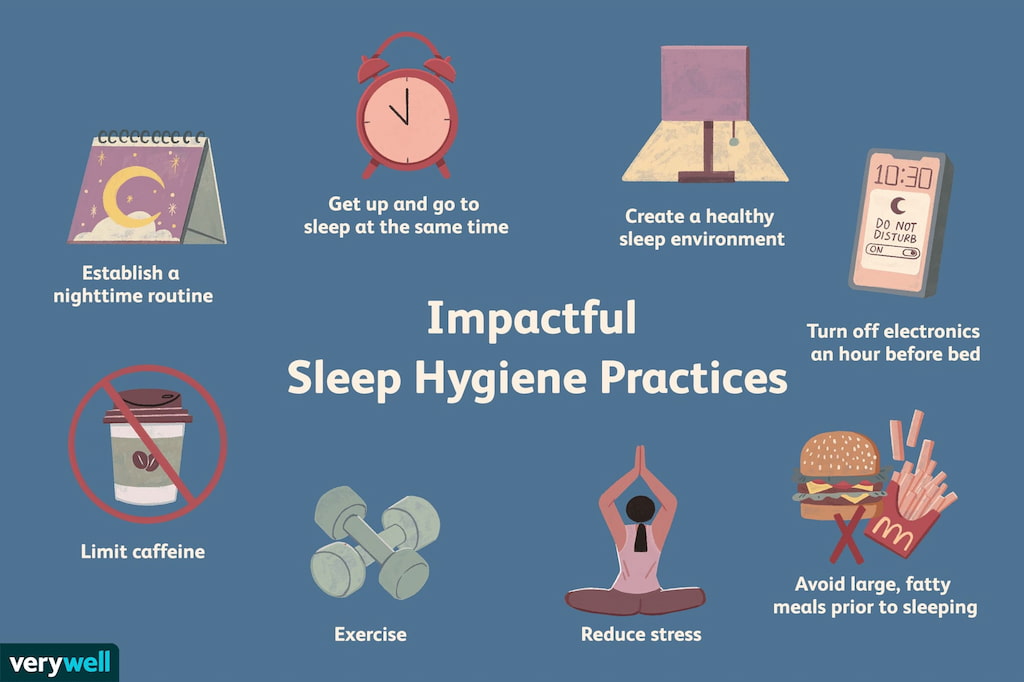
Adequate rest between shifts is not just a legal requirement—it directly affects performance, safety, and long-term well-being. Without sufficient recovery time, both physical and cognitive functions begin to decline, increasing risks for employees and employers alike.
Physical recovery
- The body needs uninterrupted rest to recover from physical strain and prolonged activity
- Insufficient recovery can lead to fatigue, muscle strain, and reduced overall energy levels
- Over time, lack of rest increases the risk of chronic exhaustion and physical health issues
Mental performance and focus
- Rest is essential for maintaining concentration, decision-making, and reaction time
- Sleep deprivation and fatigue reduce cognitive performance and increase errors
- Consistent recovery helps sustain attention and productivity across shifts
Reduced risk of workplace accidents
- Fatigue is a major contributor to workplace incidents, especially in safety-sensitive roles
- Slower reaction times and reduced awareness increase the likelihood of mistakes
- Adequate rest between shifts helps maintain alertness and improves overall safety
Long-term health considerations
- Prolonged lack of rest is linked to stress, burnout, and mental health challenges
- Disrupted sleep patterns can affect cardiovascular health and immune function
- Maintaining consistent rest periods supports long-term resilience and work sustainability
Ensuring proper rest between shifts is essential not only for compliance with labor laws, but also for maintaining safe, effective, and sustainable work performance.
FAQ
How many hours are required between shifts?
The required number of hours between shifts depends on local labor laws. In many regions, workers are entitled to at least 8 to 12 hours of rest, while some frameworks—such as in parts of Europe—require 11 consecutive hours within a 24-hour period. In other areas, like the United States, there may be no fixed federal rule, and requirements depend on state laws or industry regulations.
Is there a minimum rest period between shifts?
In most countries, yes. Labor laws typically include a minimum rest period to ensure workers have enough time to recover between shifts. However, the exact duration and enforcement vary depending on jurisdiction, industry, and employment type.
Can an employer schedule back-to-back shifts?
In some cases, yes, especially in regions without strict legal limits. However, if minimum rest period laws apply, scheduling back-to-back shifts without adequate time off may violate labor regulations. Even where legal, this practice can negatively affect performance and safety.
Do all jobs require 11 hours between shifts?
No. The 11-hour rule is common in certain regions, such as under European working time regulations, but it is not universal. Other countries may require shorter rest periods or regulate working hours differently without specifying an exact number of hours between shifts.
What happens if an employee does not get enough rest between shifts?
Lack of rest can lead to fatigue, reduced focus, and increased risk of errors or accidents. From a legal perspective, if rest requirements are mandated by law, employers may face penalties or enforcement actions for non-compliance.
Are there exceptions to rest period laws?
Yes. Exceptions may apply in industries that require continuous operations, such as healthcare, emergency services, or transportation. Additional flexibility can also exist through collective agreements, opt-outs, or specific job roles. In many cases, these exceptions must still include safeguards like compensatory rest or limits on total working hours.
Does rest time between shifts include on-call time?
It depends on the conditions. If an employee is required to remain available and cannot use the time freely, on-call hours may not be considered true rest. The classification varies by jurisdiction and how restrictive the on-call requirements are.
How can I find out what rules apply to me?
To determine the exact legal requirement, you should:
- Check your country or region’s labor laws
- Review your employment contract or company policies
- Look at industry-specific regulations if applicable
- Contact a local labor authority or legal advisor if needed
Understanding the rules that apply to your specific situation is key to ensuring compliance and protecting your rights.
Conclusion
The number of hours required between shifts depends on where you work, your industry, and the regulations that apply to your role. While some regions define clear minimum rest periods, others rely on broader working time rules or employer policies. In all cases, the purpose remains the same: to ensure enough recovery time to support safe, consistent, and sustainable performance.
Working without adequate rest may increase short-term output, but it often leads to fatigue, reduced productivity, and higher risk over time. Whether you’re an employee reviewing your rights or an employer planning schedules, understanding and respecting rest periods is essential.
Tools like Shifts by Everhour can help bring structure and visibility to scheduling. By organizing shifts clearly and tracking working hours, it becomes easier to maintain compliance, avoid scheduling conflicts, and ensure that rest periods between shifts are properly accounted for.

Maria
A dedicated content enthusiast with extensive experience in international teams and projects of all sizes. Maria thrives on creativity and attention to detail, fueled by a love for fantasy novels, music, classic black-and-white films, and always finding ways to make things better.