


80 Hour Work Week: Productivity, Burnout, and Real-World Impact

An 80 hour work week is a work schedule where someone works roughly double the average working hours. It is most common in high-pressure roles or industries where long hours are driven by deadlines, workload, or career goals. While it can lead to faster progress and higher output, it also raises questions about productivity, health, and sustainability. This article explains what an 80 hour work week looks like, its benefits and drawbacks, and how it can be structured and managed in practice.
Key Takeaways
- An 80 hour work week means working around 10–12 hours per day across the week
- It is most common in industries like finance, law, healthcare, and startups
- People often take on this workload for career growth, income, or necessity rather than preference
- Long work hours can increase output but also raise the risk of fatigue, burnout, and reduced efficiency
- Without structure, productivity tends to decline due to diminishing returns
- Time management, prioritization, and rest are essential to make such a schedule workable
- The sustainability of an 80 hour work week depends on workload, personal capacity, and long-term health considerations
What Is an 80 Hour Work Week?
An 80 hour work week refers to a schedule where a person works roughly 80 hours across seven days. In practice, this often means long daily work sessions, extended shifts, or combining multiple work commitments into a single week.
Compared to a 40-hour work week
- A standard full-time schedule is built around ~8 hours per day, 5 days a week
- An 80 hour work week doubles that load, often requiring 10–12+ hour days
- It leaves significantly less time for rest, recovery, and personal activities
Why it exists
- Driven by high workloads, time-sensitive projects, or roles with demanding expectations
Voluntary vs industry-driven
In some cases, people choose an 80 hour work week intentionally to achieve specific goals. In other situations, it is driven by the nature of the job or industry, where long hours are expected and difficult to avoid due to workload, expectations, or competitive pressure.
Why People Work 80 Hour Weeks
People don’t usually take on 80 hour work weeks without a clear reason. In most cases, the decision is tied to career goals, workload demands, or industry expectations.
- Career advancement and faster progression — Longer hours can mean more exposure, more responsibility, and quicker skill development, which may accelerate promotions and career growth.
- Higher income potential — Additional hours can translate into overtime pay, bonuses, or increased earnings, depending on the role and compensation structure.
- Startup or business-building demands — Founders and early-stage teams often work extended hours to build, test, and scale products under tight timelines.
- Industry expectations — Sectors like finance, law, healthcare, and tech often involve heavy workloads where long hours are common and sometimes expected.
- Short-term intensity vs long-term routine — For some, 80-hour weeks are temporary and tied to specific projects or deadlines; for others, they become part of a longer-term shift pattern influenced by career goals or workplace culture.
Pros and Cons of an 80 Hour Work Week
An 80 hour work week can increase output and accelerate progress, but it also introduces significant physical, mental, and productivity trade-offs. Below is a clear breakdown of both sides.
✅ Benefits of an 80 hour work week
- Faster skill development — More hours spent working on real tasks leads to quicker learning through repetition. This accelerates the development of both technical and soft skills, especially when the work involves hands-on problem solving.
- More exposure to high-level work — Long work weeks often involve complex tasks, tighter deadlines, and greater responsibility. This kind of exposure can help build experience that typically takes much longer to acquire in standard work schedules.
- Accelerated career growth — Higher output and consistent performance can improve visibility within an organization. In some environments, this may translate into faster promotions, stronger evaluations, and access to more advanced roles.
- Greater professional visibility — Spending more time collaborating with teams, managers, and stakeholders increases your presence in key discussions. This can strengthen trust and make your contributions more noticeable.
- Potential for higher earnings — Depending on the role, extended hours may lead to overtime pay, performance bonuses, or increased compensation, especially when productivity is directly tied to output or billable work.
❌ Drawbacks of an 80 hour work week
- Physical and mental fatigue — Working long hours consistently reduces energy levels, which can affect focus, reaction time, and the ability to maintain high-quality output throughout the week.
- Burnout and stress risk — Without sufficient rest and recovery, prolonged workloads can lead to burnout, emotional exhaustion, and a gradual decline in motivation and job satisfaction.

- Reduced sleep and recovery — Extended schedules often cut into sleep time, which plays a critical role in memory, decision-making, and overall physical health. Over time, this can compound and negatively affect performance.
- Limited personal time — With most of the week dedicated to work, there is less time available for relationships, hobbies, and personal responsibilities, which can impact overall life balance.
- Diminishing productivity over time — As fatigue builds, the efficiency of additional hours tends to decrease. This means that beyond a certain point, more time worked does not necessarily translate into proportionally more output.
How to Structure an 80 Hour Work Week
An 80 hour work week is difficult to sustain without structure. Simply working more hours is not enough.
How those hours are organized determines whether the workload is manageable or leads to rapid burnout.
- Importance of planning and intentional scheduling — Without a clear plan, long work weeks quickly become chaotic and inefficient. Structuring your time in advance helps ensure that effort is directed toward meaningful work rather than reactive tasks.
- Breaking work into focused blocks — Dividing the day into dedicated work sessions allows for better concentration and reduces mental fatigue. Focused blocks make it easier to stay engaged and maintain consistency across long hours.
- Balancing deep work vs routine tasks — High-focus work should be scheduled during peak energy periods, while routine tasks (emails, admin) should be placed in lower-energy slots to avoid cognitive overload.
- Allocating time for rest and recovery — Short breaks throughout the day are essential for maintaining performance. Even brief pauses between sessions help reset focus and prevent burnout.
- Avoiding inefficient multitasking — Constant task-switching reduces efficiency. Working on one task at a time improves output quality and helps conserve mental energy.
Examples of effective 80-hour schedules
- Two-shift day (split shift) — Work is divided into a morning deep work block (e.g., 8:00–13:00) and an evening session (e.g., 16:00–21:00), with a longer break in between for rest and recovery.
- Three-peak schedule — The day is structured around three productivity peaks (morning, afternoon, late evening), each focused on different types of work, with breaks between them to maintain energy.
- Six-day extended schedule — Work longer hours across six days (e.g., ~13 hours/day) while keeping one full day completely off for recovery and personal time.
- Block rotation schedule — Alternate between deep work blocks (2–3 hours) and lighter tasks or breaks. This helps maintain focus while avoiding mental fatigue over long periods.
- Front-loaded week — Heavier hours are concentrated earlier in the week when energy is higher, with slightly lighter days toward the end to prevent complete exhaustion.
Impact of an 80 Hour Work Week on Health and Productivity
An 80 hour work week can significantly affect both short-term performance and long-term well-being. While output may initially increase, sustained long hours often lead to trade-offs in energy, focus, and overall health.
- Effects on sleep quality and energy levels — Extended working hours often reduce available time for sleep, which can lower sleep quality and consistency. Over time, this leads to reduced energy levels, slower recovery, and a higher likelihood of feeling fatigued during both work and personal time.
- Cognitive performance and focus over long hours — Mental performance tends to decline as hours accumulate. Concentration, memory, and decision-making ability can weaken, especially toward the end of long workdays or workweeks, making it harder to maintain consistent output.
- Stress accumulation and burnout risk — Continuous high workloads with limited recovery time can increase stress levels. When sustained over weeks or months, this can contribute to burnout, reduced motivation, and decreased engagement with tasks.
- Physical health considerations (sedentary behavior, fatigue) — Long periods of sitting and repetitive routines can contribute to physical strain, including muscle stiffness, eye strain, and general fatigue. Limited movement and recovery time can also negatively impact overall physical health.
- Diminishing returns of excessive working hours — After a certain threshold, additional hours tend to produce less meaningful output. As fatigue builds, efficiency drops, meaning that working more hours does not necessarily lead to proportionally higher productivity and may even reduce overall effectiveness.
Time Management Strategies for Long Work Weeks
Managing an 80 hour work week requires structured methods, not just discipline. Using proven time management strategies helps maintain focus, prioritize effectively, and reduce mental fatigue over long hours.
- Time blocking — Plan your day by assigning fixed time slots to specific tasks or types of work. Time blocking templates create structure, reduce decision-making during the day, and ensure that important work is not pushed aside.

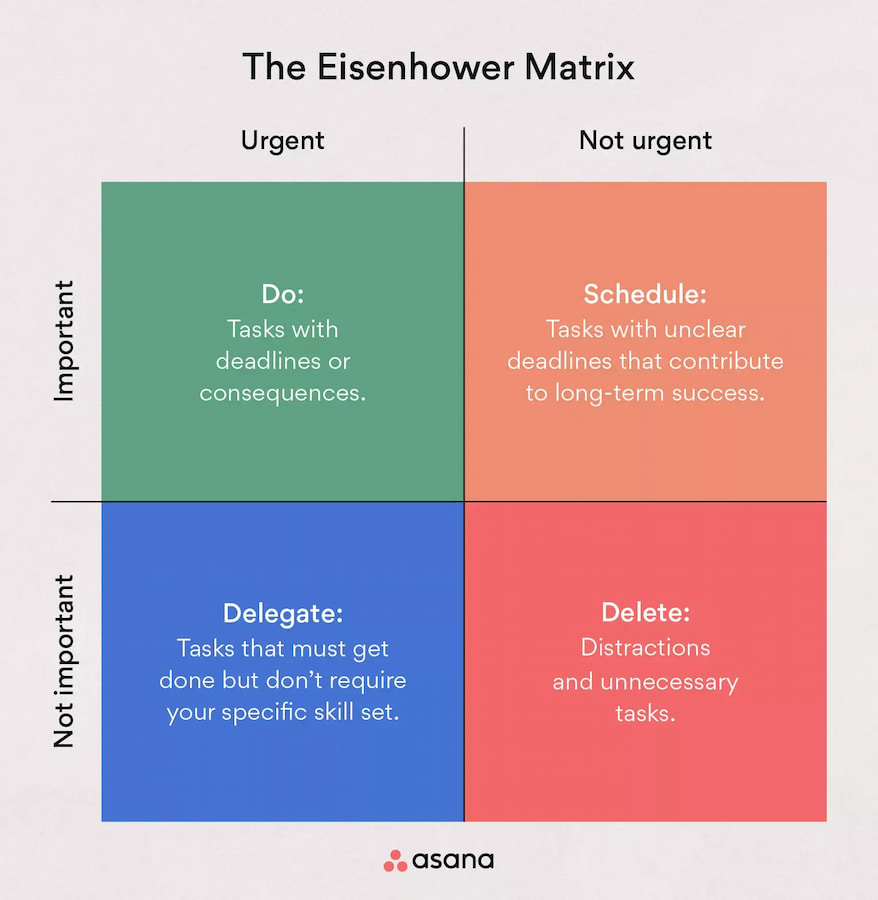
- Eisenhower Matrix (urgent vs important) — Divide tasks into four categories: urgent and important, important but not urgent, urgent but not important, and neither. This helps you focus on high-value work instead of reacting to low-impact tasks.
- MIT (Most Important Tasks) method — Identify 1–3 critical tasks each day and complete them first. This ensures that even in a long workday, your most important work is consistently prioritized.
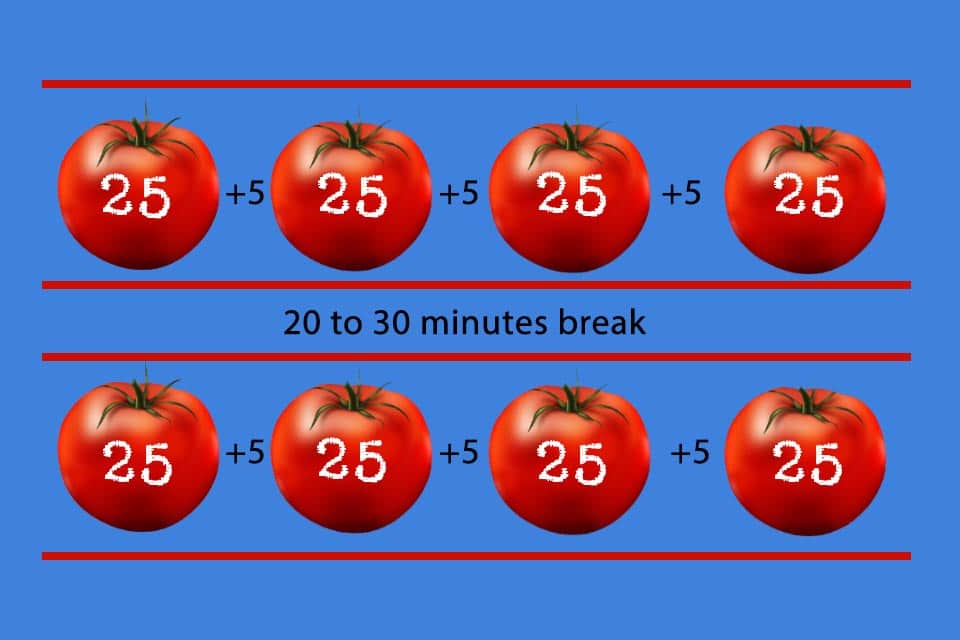
- Pomodoro Technique — Work in focused intervals (typically 25–50 minutes) followed by short breaks. A Pomodoro timer helps maintain concentration and prevents mental fatigue during extended work sessions.
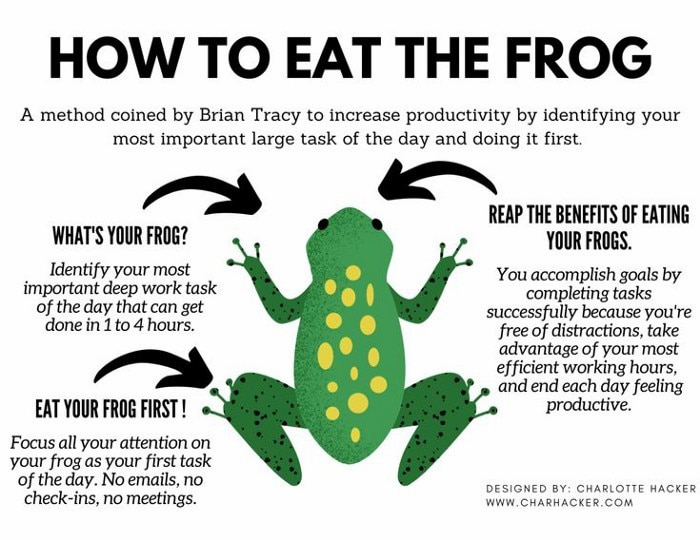
- Eat the Frog — Start your day with the most difficult or high-resistance task. Completing it early reduces procrastination and creates momentum for the rest of the day.
- Task batching — Group similar tasks (such as emails, meetings, or admin work) into dedicated time blocks. This minimizes context switching and improves efficiency across long work periods.
- 80/20 Rule (Pareto Principle) — Focus on the 20% of tasks that produce 80% of results. This is especially important in long work weeks, where not all effort leads to equal outcomes.
How to Stay Productive During an 80 Hour Work Week
Sustaining productivity over 80 hours requires structure, focus, and energy management. Without these elements, output tends to decline despite the increased time investment.
Focus and execution
- Maintaining focus during long work sessions
Long hours increase mental fatigue and the likelihood of distraction. Structuring distraction-free blocks of time helps preserve concentration and improves the quality of output. - Avoiding diminishing returns from overwork
Productivity is not linear across long hours. When focus begins to drop, continuing to push can reduce efficiency. Recognizing these points and taking short breaks helps maintain consistent performance.
Planning and measurement
- Setting clear daily and weekly goals
Defining specific objectives prevents task drift and keeps work aligned with priorities. Clear goals also make progress easier to evaluate. - Tracking progress and performance
Monitoring completed tasks and time spent provides insight into efficiency. This helps identify bottlenecks and adjust workflows based on actual results.
Energy management
- Managing energy instead of just time
Performance is closely tied to energy levels. Scheduling cognitively demanding tasks during peak energy periods and lighter tasks during low-energy periods helps maintain output across long days.
How to Maintain Health and Well-Being
Working 80 hours a week puts significant pressure on both physical and mental health. Without intentional habits, performance and well-being can decline quickly.
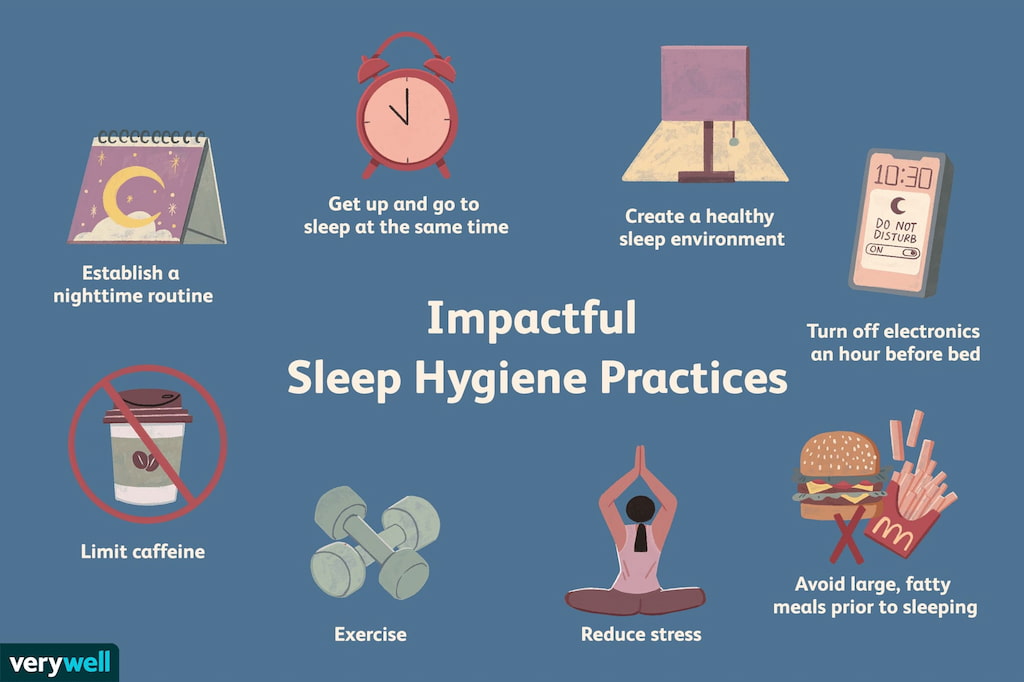
- Sleep routines and recovery importance — Consistent sleep schedules are critical for maintaining focus, decision-making, and energy levels. Even with limited time, prioritizing sleep quality helps reduce long-term negative effects.
- Exercise and physical activity integration — Regular movement, even in short sessions, helps counteract fatigue and improves overall energy. It also reduces the physical strain of long periods of sitting.
- Nutrition and meal planning — Proper nutrition supports sustained energy and concentration. Planning meals in advance can prevent reliance on low-quality, convenient food during busy periods.
- Stress management techniques — Techniques such as short breaks, breathing exercises, or mental resets can help manage stress levels and maintain clarity throughout extended workdays.
- Importance of breaks and downtime — Continuous work without breaks reduces efficiency. Short, regular pauses help reset focus, while occasional longer downtime is necessary for recovery and preventing burnout.
Is an 80 Hour Work Week Sustainable?
An 80 hour work week is generally not sustainable for most individuals over extended periods. While it may be feasible in short bursts, maintaining this level of workload introduces cumulative trade-offs that affect both performance and health.
Time horizon matters
High-intensity schedules can work temporarily during deadlines or critical phases. However, over longer periods, the lack of recovery begins to reduce both effectiveness and consistency.
Human limits and recovery
The body and mind require sufficient rest to function optimally. Without adequate recovery, focus, decision-making, and physical energy gradually decline, making it harder to sustain output.
Productivity over time
As fatigue builds, additional hours contribute less value. This results in diminishing returns, where increasing time does not proportionally increase results.
Burnout and variability
Extended overwork increases the risk of burnout, which can lead to reduced motivation and performance. While individual tolerance varies, long-term sustainability typically depends on balancing workload with structured recovery rather than relying on continuous high-hour schedules.
FAQ
What is an 80 hour work week?
An 80 hour work week means working roughly 80 hours in a single week, typically across 6–7 days or long daily shifts. It is far above standard full-time workloads and is usually seen in high-pressure roles, startups, or during short-term demands.
Is an 80 hour work week healthy?
An 80 hour work week is generally not considered healthy if maintained long term. It can lead to sleep deprivation, stress, burnout, and reduced physical and mental well-being. Short periods may be manageable, but recovery time is essential.
How many hours per day is an 80 hour work week?
An 80 hour work week averages about 11–13 hours per day over 6–7 days. The exact distribution depends on how the schedule is structured.
Can you be productive working 80 hours a week?
Productivity may increase in the short term, but it often declines over time due to fatigue and diminishing returns. After a certain point, additional hours produce less effective output per hour.
What are the main risks of working 80 hours a week?
The main risks include burnout, chronic fatigue, reduced cognitive performance, sleep disruption, limited personal time, and potential long-term health issues.
Who typically works 80 hour weeks?
80 hour work weeks are more common in certain industries such as consulting, finance, startups, healthcare (e.g., residency programs), and entrepreneurship, where workload spikes or high responsibility roles are involved.
Is an 80 hour work week sustainable long term?
For most people, it is not sustainable long term. It may be used temporarily during peak periods, but maintaining it consistently often leads to declining performance and health issues.
How can someone manage an 80 hour work week effectively?
Effective management involves structured scheduling, prioritization methods (such as time blocking or task batching), focusing on high-impact work, taking regular breaks, and maintaining sleep, nutrition, and recovery routines.
Does working more hours always mean higher productivity?
No. Beyond a certain threshold, productivity per hour decreases. Factors like fatigue, focus, and recovery become more important than total hours worked.
Conclusion
An 80 hour work week can accelerate learning, output, and career opportunities in the short term, but it comes with clear trade-offs in health, energy, and long-term productivity. While structured time management, prioritization, and recovery habits can help make such a schedule more manageable, sustained performance depends heavily on maintaining balance.
For most people, this type of workload is best treated as a temporary strategy rather than a permanent approach. Without proper rest and boundaries, the risks of burnout and diminishing returns increase over time. A more sustainable outcome typically comes from combining focused work, efficient systems, and consistent recovery rather than relying on extended hours alone.

Maria
A dedicated content enthusiast with extensive experience in international teams and projects of all sizes. Maria thrives on creativity and attention to detail, fueled by a love for fantasy novels, music, classic black-and-white films, and always finding ways to make things better.