


What Is Deep Work? Definition, Benefits, and How to Practice It
Deep work is the practice of focusing without distractions on a cognitively demanding task. Writing, programming, research, analysis, and strategic planning can all involve deep work when they require sustained attention.
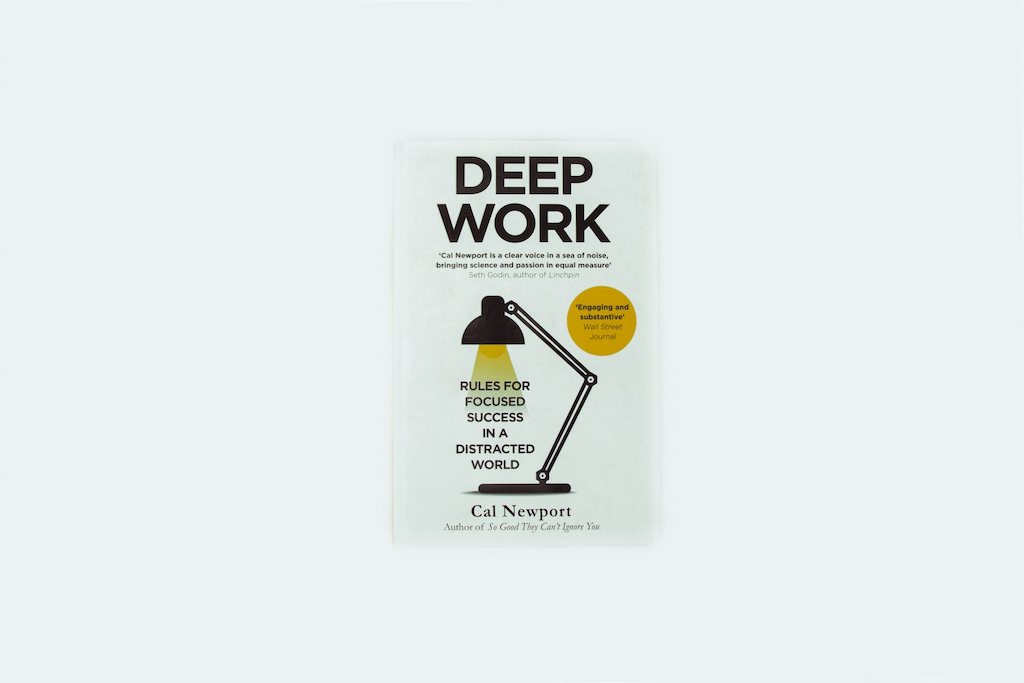
The concept was popularized by Cal Newport in his 2016 productivity book Deep Work: Rules for Focused Success in a Distracted World. Newport describes deep work as professional activity performed in a state of distraction-free concentration that pushes your cognitive abilities to their limits.
Deep work is the opposite of constantly switching between email, messages, meetings, and other low-attention tasks. It doesn’t mean avoiding communication or working alone all day. Instead, it means deliberately protecting periods of focused time for work that requires your full attention.
In this guide, we’ll explain what deep work means, how it differs from shallow work and flow, why it matters, and how to make more room for focused work during a normal workday.
TL;DR: Deep Work Key Takeaways
- Deep work: Focused, distraction-free work on a cognitively demanding task.
- Examples: Writing, coding, research, analysis, and strategic planning.
- Shallow work: Routine tasks such as email, scheduling, and administrative work that usually require less sustained concentration.
- How to practice it: Protect focused time, reduce distractions and interruptions, and work on one demanding task at a time.
- The goal: Make meaningful progress on difficult work rather than maximize the number of hours you spend concentrating.
What Is Deep Work?
Deep work means concentrating on a demanding task without unnecessary distractions. The task usually requires you to think deeply, solve problems, create something, analyze information, or learn a difficult skill.
According to Newport’s definition, deep work pushes your cognitive abilities to their limits. In practice, it has a few common characteristics:
- Sustained attention: You stay with one demanding task instead of constantly switching between activities.
- Limited time wasters: You minimize interruptions from notifications, messages, meetings, and other sources.
- Cognitive effort: The work requires meaningful thinking rather than simply following a familiar routine.
- Useful output: You make progress on a project, solve a problem, produce something, or develop a skill.
For example, spending an hour working through a difficult programming problem can be deep work. Spending that same hour switching between email, Slack, and several unrelated tasks is not.
Deep work also doesn’t mean spending your entire workday in complete concentration.
Most jobs include a mixture of focused work, communication, meetings, and routine tasks. The point is to protect focused time when a task genuinely needs it.
Deep Work vs. Shallow Work
The main difference between deep and shallow work is the amount of sustained concentration and cognitive effort involved.
| Deep work | Shallow work | |
|---|---|---|
| Focus | Requires sustained concentration | Requires less sustained attention |
| Cognitive effort | Involves problem-solving, analysis, creation, or learning | Usually follows familiar processes or routines |
| Interruptions | Can significantly disrupt progress | Often tolerates interruptions |
| Examples | Writing, coding, research, analysis | Email, scheduling, routine meetings, administration |
| Typical output | Complex or demanding work | Coordination, maintenance, or routine output |
Shallow work isn’t necessarily unimportant. Teams need communication, administration, and coordination to keep projects moving. The problem comes when routine tasks consume the time you need for more demanding work.
Why Is Deep Work Important?
Deep work is particularly useful for tasks that require you to hold complex information in your mind, solve problems, or create something new.
- It gives you time to think. Complex problems are difficult to solve when you constantly have to stop and restart. An uninterrupted period lets you stay with the problem long enough to make meaningful progress.
- It reduces fragmented work. Switching between a report, email, chat, and meetings can leave you busy without giving any single task enough attention. Dedicated focus time reduces that fragmentation.
- It supports learning and skill development. Difficult skills require attention and practice. Focused work gives you time to work through problems rather than repeatedly switching to easier activities.
Deep work isn’t automatically better than every other type of work. Its value depends on the task. Routine communication may not require the same level of concentration as writing a strategy, debugging a complex system, or analyzing research.
Deep Work vs. Flow
Deep work and flow are related, but they describe different things.
- Deep work is an approach to working: you deliberately focus on a demanding task while minimizing distractions.
- Flow is a psychological state in which you become deeply absorbed in an activity. You may lose track of time and become highly immersed in what you’re doing.
You can experience flow during a deep work session, but you don’t need to reach a flow state for your work to count as deep work. You can deliberately concentrate on a difficult task even when the work feels effortful.
What Are Examples of Deep Work?
Deep work depends on the task rather than the job title. Examples include:
- Writing: Drafting an article, report, book chapter, or research paper.
- Programming: Designing a system, solving a difficult bug, or developing a complex feature.
- Research: Reviewing sources, analyzing information, or developing an argument.
- Data analysis: Examining a dataset, identifying patterns, or building a model.
- Design: Developing a product concept or solving a complex design problem.
- Strategic planning: Working through a business problem or developing a strategy.
- Learning: Studying a difficult subject or practicing a complex skill.
- Creative work: Writing fiction, composing music, or developing another demanding creative project.
The same activity isn’t always deep work. For example, fixing a familiar piece of code may require little concentration, while designing a new system may require several hours of focused problem-solving.
How to Practice Deep Work
You don’t need to redesign your entire workday to start doing deep work. The basic idea is to deliberately create periods when you can focus on one demanding task.
Choose one demanding task
Decide what you want to accomplish before you start. A specific goal such as “draft the introduction” gives you a clearer target than “work on the article.”
Schedule focused time
Put deep work on your calendar instead of waiting for free time to appear. Even a few protected sessions each week can give demanding work a predictable place in your schedule.
Remove distractions
Turn off non-essential notifications, close unrelated tabs, and avoid checking email or chat during the session. If you work with other people, let them know when you’re unavailable for non-urgent requests.
Start with a manageable session
There is no universal ideal length for deep work. If you’re not used to sustained concentration, start with a shorter session and increase the duration as you learn what works for you.
The goal isn’t to spend as many hours as possible in deep work. A focused hour can be more useful than several fragmented hours if the task requires sustained attention.
Take breaks
Focused work takes effort. Step away between demanding sessions rather than trying to maintain concentration indefinitely. Breaks give you time to recover before you return to the next task.
What Gets in the Way of Deep Work?
Several common workplace habits can make focused work difficult:
- Notifications and messages: Frequent interruptions pull attention away from demanding tasks.
- Too many meetings: Meetings can break the day into small blocks that aren’t long enough for complex work.
- Task switching: Moving repeatedly between unrelated tasks makes it harder to maintain context.
- Unclear priorities: It’s difficult to focus when you don’t know which task deserves your attention.
- Immediate-response expectations: A workplace culture that expects employees to answer every message immediately leaves little room for uninterrupted work.
Teams can make deep work easier by setting reasonable response-time expectations, reducing unnecessary meetings, using focus statuses, and giving employees some control over when they do demanding work.
Deep work doesn’t require eliminating collaboration. It means giving people enough uninterrupted time to switch between collaborative work and focused individual work.
How to Measure Deep Work
You can track deep work to understand how much focused time you actually have, but time alone doesn’t measure productivity or quality.
Useful things to track include:
- Focused time: How much time you spend in dedicated focus sessions.
- Progress: What you complete or move forward during those sessions.
- Interruptions: How often your concentration gets broken.
- Milestones: Whether focused work helps you move important projects forward.
- Planned vs. actual time: Whether demanding tasks consistently take more or less time than expected.
A time tracker such as Everhour can make this easier by showing how much time you spend on specific tasks and projects. You can use that information to see whether demanding work is getting enough protected time and whether your estimates match reality.
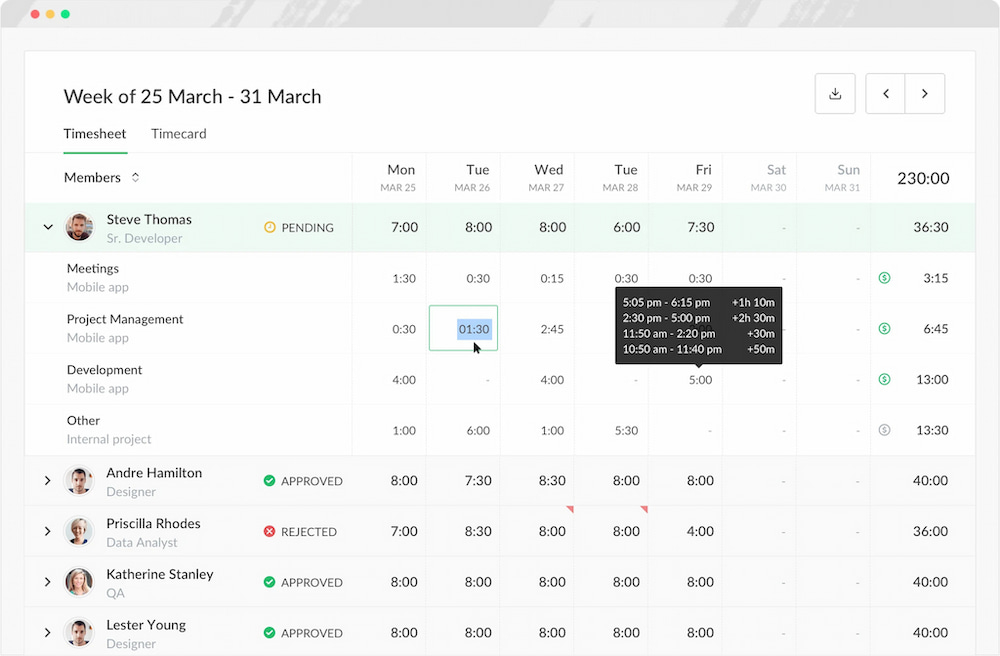
Just avoid turning deep work hours into a productivity score. Three hours of focused work on the wrong task isn’t necessarily more valuable than 45 minutes spent solving the right problem.
FAQs
Deep work means focusing without distractions on a cognitively demanding task. It usually involves sustained attention, problem-solving, analysis, creation, or learning.
Writing a complex report, solving a difficult programming problem, analyzing data, conducting research, developing a strategy, and studying a difficult subject can all be examples of deep work.
Deep work requires sustained concentration and significant cognitive effort. Shallow work usually involves routine tasks that require less attention, such as email, scheduling, and administrative work.
There is no universal ideal duration. The right length depends on the task, your ability to concentrate, your energy, and your schedule. Start with a manageable period and adjust it based on what works for you.
No. Deep work describes an approach to working, while flow describes a psychological state of deep absorption. Flow can happen during deep work, but it isn’t required.
Choose one demanding task, define what you want to accomplish, schedule uninterrupted time, and remove common distractions. If sustained concentration is difficult at first, start with shorter sessions.
No. Deep work doesn’t require eliminating meetings or collaboration. It means protecting enough uninterrupted time for tasks that require sustained concentration.
Conclusion
Deep work is focused, distraction-free work on a task that requires significant cognitive effort. You don’t need to spend your entire workday doing deep work. Identify the tasks that benefit most from uninterrupted attention, protect time for them, and reduce the distractions that make concentration harder.
The goal isn’t to maximize deep work hours. It’s to give difficult work enough focused attention to make meaningful progress while leaving room for communication, collaboration, routine tasks, and breaks.

Maria
A dedicated content enthusiast with extensive experience in international teams and projects of all sizes. Maria thrives on creativity and attention to detail, fueled by a love for fantasy novels, music, classic black-and-white films, and always finding ways to make things better.