


Project Scope: Definition, Examples, and Best Practices

Every project starts with an idea, but without clear boundaries, that idea can quickly spiral out of control. Project scope defines what the project includes, what it delivers, and just as importantly, what it does not cover. It sets expectations for everyone involved and creates a shared understanding of what success looks like.
When scope is unclear, problems show up fast. When scope is defined properly, teams can plan, execute, and deliver without constant rework. This article breaks down what project scope is, how to define it, how to avoid scope creep, and how to manage it so projects stay focused and predictable.
Clear project scope is what keeps projects predictable when work, priorities, and requirements inevitably change.
What Is Project Scope
Project scope defines what a project will deliver and what it will not include. It sets clear boundaries so the team knows what to focus on and what sits outside the work.
In simple terms, it answers three questions:
- 1️⃣ What are we building
- 2️⃣ What will it include
- 3️⃣ What is out of scope
Without a defined scope, projects tend to grow in unpredictable ways. New tasks get added, expectations shift, and teams lose control of time and effort.
A clear scope keeps the work focused. It helps teams stay aligned on goals, deliverables, and limits from the start.
What is included vs what is excluded
A project scope always defines both sides of the work.
✅ Included in scope
- Work the team is responsible for
- Agreed deliverables
- Required features or outputs
❌ Excluded from scope
- Work that is not part of the agreement
- Future ideas or additions
- Related tasks handled in separate projects
Most scope problems come from assumptions, not instructions. Clear exclusions reduce confusion later.
Project scope vs product scope
These two are often confused, but they are different.
Product scope defines the result:
- what the product or outcome looks like
- features and functionality
Project scope defines the work:
- tasks and effort needed to deliver it
- timelines and resources
Product scope is what you build. Project scope is how you build it.
Key Components of Project Scope
A project scope is made up of a few core elements that define what the project is, what it produces, and what limits it operates within. Together, they move the project from intent to something that can be executed and controlled.
Scope statement
The scope statement defines what the project is about at a high level — its purpose, objectives, and expected outcome. It sets direction for the project and acts as the reference point for everything that follows.
Deliverables
Deliverables describe what the project will produce. This includes both final outputs and any intermediate results needed to reach them. They turn the project from an idea into something concrete that can be planned and tracked.
Tasks and work breakdown
Once project deliverables are clear, the work is broken into smaller tasks. This structure makes execution manageable and helps teams estimate effort, assign ownership, and track progress through a work breakdown structure.
Constraints
Constraints define the limits of the project — what it must operate within. These typically relate to time, budget, resources, or technical restrictions and shape the decisions during execution.
Assumptions
Assumptions define conditions the team treats as true during planning. They move the project forward despite incomplete information, but they also create risk if those assumptions prove incorrect.
How To Define Project Scope
Defining project scope works best as a simple step-by-step process. The goal is to move from high-level intent to a clear, agreed definition of what the project will deliver.
Step 1: Identify project goals
Define what the project is trying to achieve.
Focus on:
- objectives
- success criteria
- the problem being solved
Without clear goals, scope becomes vague and hard to control.
Step 2: Gather requirements
Collect input from stakeholders to understand expectations and constraints.
Focus on:
- team and stakeholder expectations
- functional and business requirements
- dependencies or limitations
This ensures the scope reflects actual needs.
Step 3: Define deliverables
Turn goals into concrete outputs.
Define:
- what will be delivered at the end
- tangible and intangible results
- final handoffs or outputs
This step makes the scope measurable and specific.
Step 4: Outline tasks and boundaries
Break the work down and set limits.
Clarify:
- what is included in the project
- what is explicitly out of scope
- key tasks needed to deliver outcomes
This is where most scope issues are prevented — by being explicit about boundaries.
Step 5: Document and approve scope
Finally, put everything into a formal scope statement.
This includes:
- documented project scope
- alignment across stakeholders
- final approval before work begins
Once approved, this becomes the reference point for the entire project.
How To Manage Project Scope
Managing project scope means keeping the original plan under control while allowing changes in a structured way. It ensures the project stays aligned with its goals instead of expanding unpredictably.
Change request process
Any change to the agreed scope should follow a defined process.
This usually includes:
- submitting a formal change request
- assessing impact on time, cost, and resources
- approving changes before implementation
This prevents informal additions from shifting the project without oversight.
Regular scope reviews
You should check the scope throughout the project, not just at the beginning.
Regular reviews help:
- confirm alignment with original goals
- detect early signs of scope drift
- adjust plans before issues escalate
They keep scope active and visible as the project progresses.
Communication with stakeholders
Clear communication is essential for scope control.
Teams should:
- align stakeholders on current scope
- clarify what is included and excluded
- discuss proposed changes early
Most scope problems come from misalignment, not lack of process.
Documentation updates
Every approved change should be reflected in documentation.
This includes:
- updated scope statements
- revised deliverables or timelines
- recorded decisions and approvals
Without updates, teams quickly drift away from the agreed plan.
Tools that help manage project scope
Tools support scope control by making work and changes visible.
Common categories include:
- project management tools for tasks, timelines, and documentation
- collaboration tools for stakeholder alignment and communication
- systems for tracking changes and maintaining version history
- a time tracker like Everhour, which help teams connect scope with actual effort and spot when work starts exceeding planned boundaries
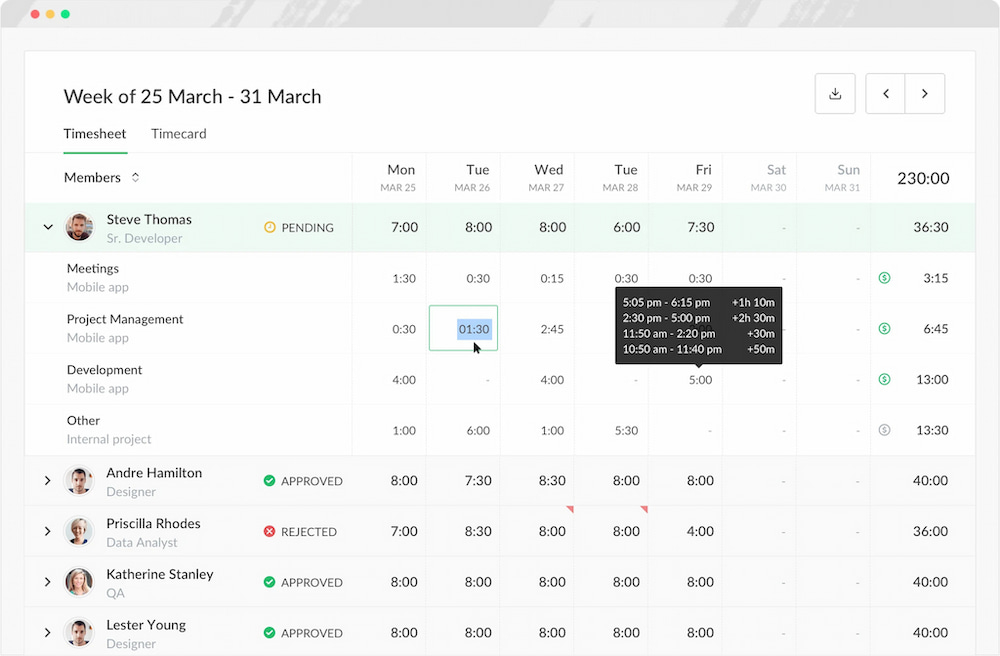
Used together, these tools reduce hidden changes and make scope easier to monitor in real time.
Conclusion
When teams define and actively manage scope, they plan better, avoid unnecessary work, and reduce misunderstandings. When it isn’t, projects tend to expand, timelines slip, and priorities become unclear.
Good scope management comes down to clarity at the start and discipline during execution — with clear rules, regular reviews, and controlled changes. Most project problems don’t come from bad execution — they come from unclear scope or uncontrolled changes to it.
Tools like Everhour can support this by connecting scope to real effort, making it easier to see when projects start drifting beyond what was originally planned.

Maria
A dedicated content enthusiast with extensive experience in international teams and projects of all sizes. Maria thrives on creativity and attention to detail, fueled by a love for fantasy novels, music, classic black-and-white films, and always finding ways to make things better.