


Core Competencies Examples: Definitions, List & How to Use

Core competencies are the key strengths and abilities that define how effectively individuals and organizations perform. They go beyond basic skills, combining knowledge, behavior, and expertise to drive consistent results.
Understanding and assessing core competencies is important for both employees and businesses. For employees, they help highlight strengths, guide career development, and improve performance. For businesses, they support hiring decisions, shape company culture, and ensure teams are aligned with strategic goals.
In this article, you’ll find practical core competencies examples, grouped by category, along with clear explanations of how to identify and use them in real work scenarios.
What Are Core Competencies?
Core competencies are the key abilities that drive strong performance. They combine skills, knowledge, and behaviors into strengths that can be consistently applied in real work situations.
In simple terms, a skill is something you can do (like using a tool or writing code), while a core competency is how effectively you apply that skill in context.
For example, knowing how to communicate is a skill, but clear, persuasive communication in different situations is a competency. This distinction is important because competencies focus on outcomes, not just abilities. They show how well someone performs, not just what they know.
Businesses and employees use core competencies to bring more clarity and consistency to performance. For employees, they help identify employee strengths, guide development, and set clear expectations. For businesses, they support hiring, performance management, and alignment with company goals.
Core Competencies Examples (By Category)
Core competencies are easier to understand when grouped by how they’re applied in real work. Most roles rely on a mix of these categories, not just one. Breaking them down this way makes it easier to evaluate performance and focus on what actually drives results.
Leadership competencies
🎯 Focus: direction, ownership, decision-making
Leadership competencies help move work forward and ensure clear direction. They are essential for managers, but also valuable for anyone responsible for outcomes. There are certain leadership activities you can do to enhance those competencies.
✍️ Examples:
- leadership
- decision-making
- strategic thinking
- accountability
- initiative
Communication competencies
🎯 Focus: clarity, alignment, information flow
Communication competencies determine how effectively information is shared across teams. Strong communication reduces confusion and keeps work aligned.
✍️ Examples:
- communication
- active listening
- negotiation
- feedback
![what is shift planning? [benefits & best solution in 2023]](https://everhour.com/blog/wp-content/uploads/2022/12/communication.gif)
Technical competencies
🎯 Focus: execution, tools, job-specific skills
Technical competencies are required to perform the work itself. They directly impact speed, accuracy, and overall output.
✍️ Examples:
- technical proficiency
- data analysis
- tools
- systems
Personal competencies
🎯 Focus: self-management, consistency, problem-solving
Personal competencies shape how individuals approach their work and handle challenges. They are critical for maintaining reliable performance.
✍️ Examples:
- time management
- adaptability
- problem-solving
- critical thinking
- attention to detail
- resilience
Teamwork competencies
🎯 Focus: collaboration, coordination, team performance
Teamwork competencies define how well individuals work with others. They are essential in any environment where results depend on collaboration.
✍️ Examples:
- teamwork
- collaboration
- conflict resolution
- flexibility
- reliability
Additional core competencies
Some competencies apply across all categories and support overall performance.
✍️ Examples:
- emotional intelligence
- creativity
- organization
- customer focus
- productivity
- learning agility
Core Competencies Examples for Different Use Cases
Core competencies are applied differently depending on the context. In practice, they serve as a framework for evaluating performance, presenting professional value, and aligning organizational strategy.
For employees
Core competencies provide a structured way to evaluate how work is performed, not just what is completed. They help measure:
- consistency
- quality
- effectiveness across areas like communication, accountability, and problem-solving
They also make it easier to:
- focus on behaviors, not just outcomes
- identify strengths and development areas
- turn performance reviews into actionable improvement plans
For resumes
Core competencies help translate experience into clear, relevant strengths instead of just listing responsibilities.
They allow candidates to highlight:
- leadership
- technical expertise
- cross-functional collaboration
When used well, they:
- connect skills to measurable results
- give recruiters a quick snapshot of fit
- align experience with job requirements
For businesses
At the organizational level, core competencies define what a company does best and where it has a competitive advantage.
They are used to:
- guide strategy and long-term direction
- align hiring and training with business goals
- structure performance management
For example, if innovation or customer experience is a core strength, teams and processes are built to consistently support that focus.
How to Develop Core Competencies
Core competencies don’t develop on their own—they’re built through consistent practice, feedback, and structured improvement. A clear approach helps turn them into measurable, long-term strengths.
Training and development
Targeted training is one of the most effective ways to build core competencies. This can include formal courses, workshops, mentoring, or on-the-job learning. The key is to focus on specific competencies, such as communication or technical skills, rather than general training. When learning is aligned with real work, it translates into faster and more relevant improvement.
Feedback and performance tracking
Regular feedback helps employees understand how their competencies are developing in practice. Performance reviews, manager input, and peer feedback all provide useful insights into strengths and gaps.

Tracking performance over time also makes progress measurable. This ensures that development is based on actual results, not assumptions, and helps identify areas that need more focus.
Continuous improvement
Core competencies are not static—they evolve with experience and changing work demands. Continuous improvement means regularly refining skills, applying feedback, and adapting to new challenges.
Over time, this creates a cycle of learning, applying, and improving, which leads to stronger and more consistent performance across roles.
FAQ
What are core competencies in simple terms?
Core competencies are the key strengths and abilities that help a person or organization perform well. They combine skills, knowledge, and behaviors into consistent performance across different situations.
What are examples of core competencies?
Common examples include communication, leadership, problem-solving, teamwork, adaptability, and technical proficiency. These competencies apply across many roles and industries.
What is the difference between skills and core competencies?
Skills are specific abilities you can learn, while core competencies are how effectively those skills are applied in real situations. Competencies focus on outcomes, not just knowledge.
How do you identify core competencies?
You can identify core competencies by analyzing job performance, reviewing top performers, and looking at the skills and behaviors that consistently lead to strong results.
How many core competencies should you have?
There is no fixed number. Most roles focus on a small set of core competencies that are most relevant to the work, typically between 5 and 10 key areas.
Can core competencies be developed?
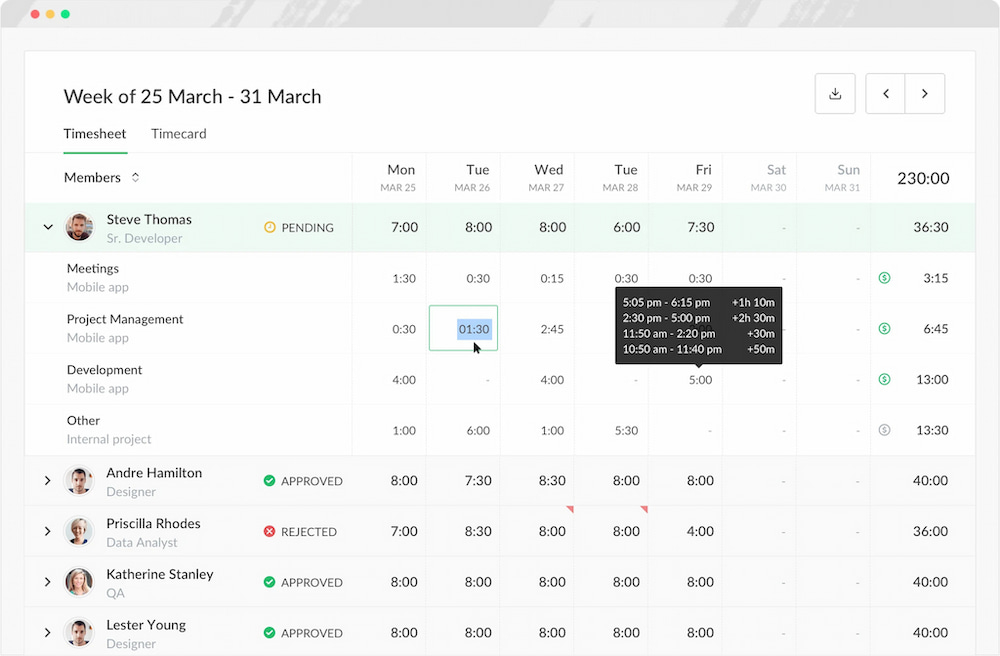
Yes, core competencies can be developed over time through training, feedback, and consistent practice. Regular performance tracking via a time tracker like Everhour helps measure progress and identify areas for improvement.
Conclusion
Core competencies define how work gets done, not just what gets done. They help clarify strengths, improve performance, and create a consistent standard across individuals and teams.
Whether you’re using them for hiring, performance reviews, or business strategy, core competencies provide a clear framework for evaluating and developing talent. When identified and applied correctly, they support better decisions and stronger results over time.
By understanding and developing the right competencies, you can build more effective teams and align individual performance with broader business goals.

Maria
A dedicated content enthusiast with extensive experience in international teams and projects of all sizes. Maria thrives on creativity and attention to detail, fueled by a love for fantasy novels, music, classic black-and-white films, and always finding ways to make things better.