


Best Positive Work Habits for Productivity and Growth

Positive work habits are the everyday behaviors that shape how employees approach their tasks, manage time, and collaborate with others. While skills and experience matter, consistent habits often have a bigger impact on long-term performance.
Simple practices like meeting deadlines, staying organized, and communicating clearly help employees work more efficiently and build a reputation for reliability.
In this article, we’ll look at what positive work habits are, why they matter, and examples employees can develop to improve productivity and workplace success.
What Are Positive Work Habits?
Positive work habits are consistent behaviors that help you get work done efficiently and collaborate well. They shape how you manage tasks, interact with teammates, and approach your daily responsibilities.
Key points:
- Habits vs. skills vs. personality traits
- Skills: learned abilities (e.g., writing reports, using software)
- Personality traits: natural tendencies (e.g., being detail-oriented, outgoing)
- Habits: repeated actions developed through routine and practice
- Why habits matter
- Consistent habits often matter more than occasional bursts of high performance
- They build trust, improve reliability, and support long-term growth
- Examples: meeting deadlines, staying organized, clear communication, following through on commitments
Examples of Positive Work Habits
⏰ Time management
Effectively managing your time means focusing on what matters most. Prioritizing key tasks, planning your day, and breaking big projects into smaller, manageable steps are essential habits. Avoiding procrastination and setting dedicated work blocks helps ensure deadlines are met consistently. Examples include:
- Prioritizing urgent and important tasks
- Planning daily or weekly schedules
- Using time-blocking techniques to minimize distractions
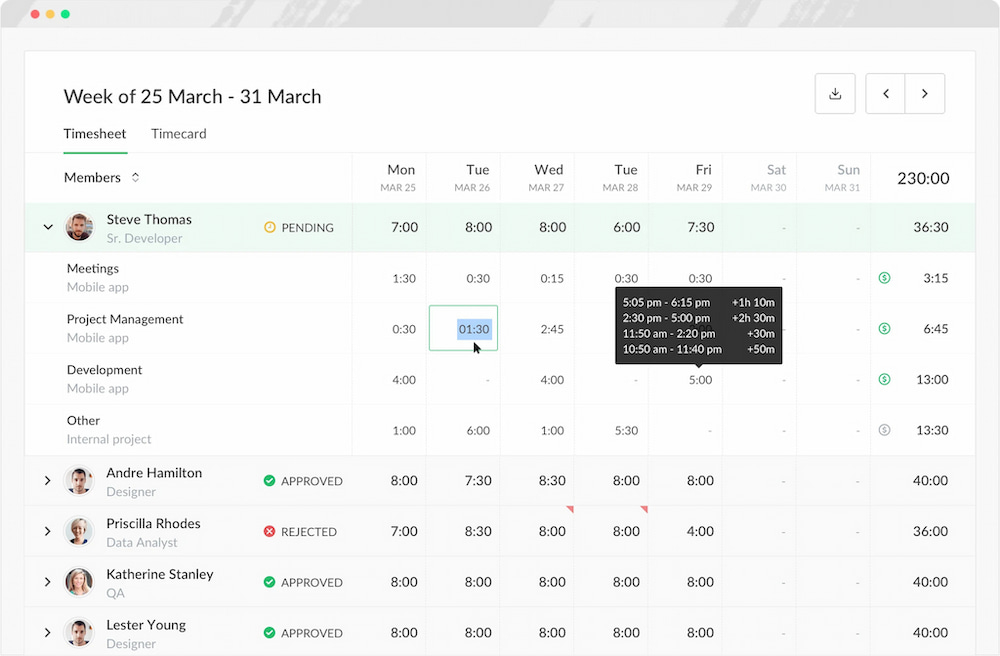
Practical tip: A time tracker like Everhour can help you track how long tasks actually take, plan your schedule more accurately, and spot areas where you might be losing focus. By logging your tasks and reviewing your daily or weekly activity, you can see where to optimize your time without feeling micromanaged.
📋 Organization
An organized workspace and workflow reduce errors and save time. Keeping files and documents neatly arranged, maintaining clear project notes, and tracking tasks systematically ensures nothing is overlooked. Even simple practices like using folders, labeling files, or creating checklists can make a big difference.
🗣️ Communication
Strong communication supports both your work and your team. Clear, respectful messaging, active listening, and keeping colleagues updated on progress or delays create transparency and reduce misunderstandings. Tips include:
- Summarizing key points in emails or meetings
- Asking clarifying questions early
- Sharing status updates on projects
🫡 Accountability and reliability
Taking ownership of your work builds trust and credibility. Following through on commitments, acknowledging mistakes, and proactively updating your team show responsibility and reliability. These habits make you a dependable contributor in any professional setting.

📚 Continuous learning
High-performing employees never stop growing. Seeking feedback, learning new skills, staying current in your field, and experimenting with more efficient ways to work are all part of continuous improvement. Examples:
- Attending webinars or workshops
- Reading industry publications
- Asking mentors or colleagues for advice
🧘 Focus and productivity
Maintaining focus requires intention. Minimizing distractions, creating blocks of uninterrupted work time, and pacing your output consistently lead to higher-quality results. A few strategies to stay productive:
- Turning off non-essential notifications and getting rid of time wasters
- Setting short-term goals for each work session
- Taking brief, scheduled breaks to recharge
👭 Teamwork and initiative
Being a strong team player means more than completing your own tasks. Sharing knowledge, supporting colleagues, and suggesting improvements proactively strengthens both your team and your impact.
🤹 Work-life balance
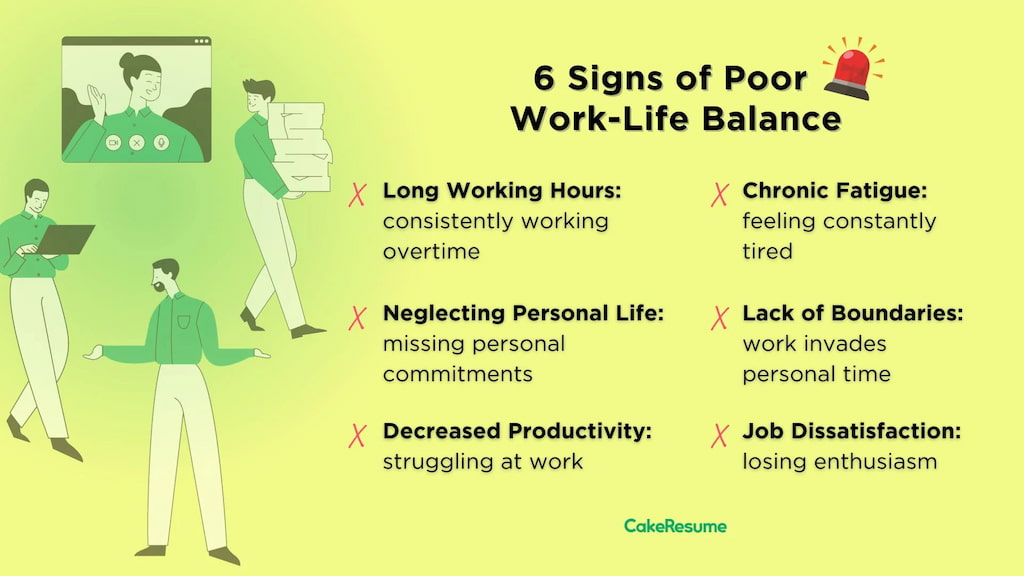
Healthy habits extend beyond the office. Taking breaks, setting boundaries, and prioritizing rest maintain energy, prevent burnout, and support long-term success. Even small actions like a short walk, brief meditation, or scheduled downtime can improve performance and focus.
How to Develop Positive Work Habits
Building strong work habits doesn’t happen overnight, but small, consistent steps can make a big difference. Here’s how to start:
1. Start small and focus on one habit at a time
Trying to overhaul everything at once can backfire. Choose one habit—like planning your day or minimizing distractions—and commit to it consistently before adding another.
2. Set clear goals and routines
Define what success looks like for each habit. For example:
- Complete your top 3 priorities before lunch
- Check email only twice a day
- Review your to-do list at the start and end of each day
Routines help make habits automatic and reduce decision fatigue.
3. Use reminders and tools
Leverage calendars, task managers, or time-tracking tools like Everhour to stay on top of deadlines and monitor your progress. Tools can provide gentle nudges and insights into your work patterns.
4. Track your progress
Regularly review how well you’re maintaining your habits. This could be as simple as checking off completed tasks, tracking time spent on focused work, or keeping a short journal of productivity wins.
5. Reflect and adjust
Notice what’s working and what isn’t. Adjust your strategies when needed. For instance, if long work blocks leave you drained, try shorter, focused sprints instead.
6. Stay accountable
Share your goals with a colleague, manager, or mentor. Accountability encourages consistency and helps reinforce new habits. Even small check-ins can keep you on track.
7. Reward yourself
Positive reinforcement makes habits stick. Celebrate small wins—completing a task early, finishing a project efficiently, or maintaining focus for an entire work session.

8. Combine habits for synergy
Some habits support others. For example: planning your day (time management) helps you stay organized, reduces stress, and increases productivity. Identify habits that reinforce each other to build momentum.
Developing positive work habits is a process. Focus on consistent action, track your progress, and adjust when needed. Over time, these small changes compound into stronger performance, better focus, and a healthier work routine.
Common Bad Work Habits to Avoid
Even small, unproductive habits can quietly undermine your performance and career growth. Recognizing them is the first step toward improvement.
1. Procrastination
Putting off tasks leads to stress, missed deadlines, and lower quality work.
Tips to fix it:
- Break tasks into smaller, manageable steps
- Use time-blocking apps to schedule focused work sessions
- Start with the easiest or most urgent task to gain momentum
2. Poor time management
Failing to prioritize or plan your day can create chaos and reduce efficiency.
Tips to fix it:
- Make a daily or weekly task list
- Prioritize tasks by importance and deadlines
- Track time spent on different activities to spot inefficiencies
3. Lack of organization
Messy files, cluttered workspaces, or unclear workflows slow down productivity.
Tips to fix it:
- Keep digital and physical files labeled and structured
- Maintain a consistent system for emails and documents
- Review your project status regularly to stay on top
4. Ineffective communication
Not updating teammates, unclear emails, or poor listening leads to confusion and mistakes.
Tips to fix it:
- Summarize updates clearly in messages or meetings
- Practice active listening during conversations
- Ask questions when instructions are unclear
5. Multitasking too much
Switching between tasks constantly reduces focus and increases errors.
Tips to fix it:
- Focus on one task at a time using techniques like Pomodoro
- Turn off notifications during deep work sessions
- Batch similar tasks together to minimize context switching
6. Avoiding feedback or self-improvement
Not seeking input or ignoring mistakes limits growth and learning.
Tips to fix it:
- Ask for feedback regularly from peers or managers
- Reflect on completed tasks and identify areas to improve
- Dedicate time to learn new skills or industry trends
7. Neglecting self-care
Skipping breaks, ignoring ergonomics, or overworking can hurt productivity and well-being.
Tips to fix it:
- Schedule short breaks throughout the day
- Maintain a healthy work-life balance
- Practice stretching or desk exercises to stay energized
Avoiding these common bad habits doesn’t just improve productivity—it also builds trust, accountability, and professionalism over time.
Tips for Maintaining Positive Work Habits Long-Term
Building positive work habits is one thing, but keeping them consistent over time requires focus and intentional strategies. Here’s how to make your good habits stick:
1. Start small and build gradually
- Focus on one habit at a time rather than changing everything at once.
- Celebrate small wins to stay motivated.
- Layer new habits onto routines you already follow.
2. Set clear goals and track progress
- Define what success looks like for each habit.
- Use tools like digital planners, apps, or simple checklists to monitor progress.
- Review weekly to see what’s working and what needs adjustment.
3. Create an environment that supports good habits
- Keep your workspace organized and free from distractions.
- Use reminders or alarms to stay on schedule.
- Surround yourself with colleagues or teammates who model strong work habits.
4. Stay accountable
- Share goals with a mentor, manager, or coworker.
- Schedule regular check-ins to review progress.
- Track both successes and setbacks without judgment.
5. Reflect and adjust
- Periodically review your habits and their impact on productivity and performance.
- Identify habits that are no longer effective and replace them with better ones.
- Be flexible—different tasks or roles may require adapting your approach.
6. Reinforce habits with routines and rituals
- Start your day with a consistent morning routine to set the tone.
- Schedule focused work periods, breaks, and reflection time daily.
- Use rituals like weekly reviews to consolidate progress and plan ahead.
7. Practice self-care and balance
- Healthy sleep, exercise, and breaks support sustained productivity.
- Avoid burnout by balancing deep work with relaxation.
- Treat your long-term growth as a marathon, not a sprint.
FAQs About Positive Work Habits
What are positive work habits?
Positive work habits are consistent behaviors that improve productivity, efficiency, and workplace relationships. Examples include effective time management, clear communication, accountability, and continuous learning.
How long does it take to form a new work habit?
Research suggests it takes anywhere from 21 to 66 days to establish a new habit, depending on complexity and consistency. Starting small and building gradually helps the habit stick.
Can positive work habits improve career growth?
Yes. Consistently demonstrating reliability, effective communication, and productivity can increase recognition, open opportunities for promotions, and improve team dynamics.
How can I stay motivated to maintain good habits?
Set clear goals, track your progress, celebrate small wins, and surround yourself with supportive colleagues. Periodic reflection also helps adjust habits that aren’t working.
What are some examples of bad work habits to avoid?
Common bad habits include procrastination, poor time management, unclear communication, avoiding responsibility, and neglecting continuous learning. These can reduce efficiency and harm workplace relationships.
Are work habits more important than skills or personality?
Habits often have a bigger long-term impact than occasional performance or natural traits. Good habits shape consistent output, teamwork, and professional reliability.
Can technology help build positive work habits?
Absolutely. Tools like task managers, calendar apps, and time trackers (for example, Everhour for transparent productivity tracking) can help monitor progress, plan work, and maintain accountability.
Conclusion
Positive work habits are the foundation of productivity, growth, and strong workplace relationships. Focusing on routines like time management, clear communication, and accountability helps you perform consistently and build trust with your team.
Start small, practice consistently, and use tools or strategies that support your habits. Avoid common pitfalls, reinforce positive behaviors (and try to develop positive attitude), and remember that sustainable success comes from smart, consistent routines—not occasional effort.

Maria
A dedicated content enthusiast with extensive experience in international teams and projects of all sizes. Maria thrives on creativity and attention to detail, fueled by a love for fantasy novels, music, classic black-and-white films, and always finding ways to make things better.